Science

Hi, I’m Mrs Ruck the science lead at Boston Pioneers. I have 27 years’ experience teaching learners from EYFS to Year 4. As science lead, I have enjoyed creating a curriculum that sparks curiosity and confidence in our learners. Seeing learners become excited by investigations; ask thoughtful questions; and make sense of the world around them is incredibly rewarding. Leading Science allows me to nurture curiosity, promote inclusive learning, and help every learner develop a lifelong love of discovery. I enjoy supporting colleagues with practical, engaging lessons and ensuring progression so that skills and knowledge build year on year.
What we are teaching in science and why it is important
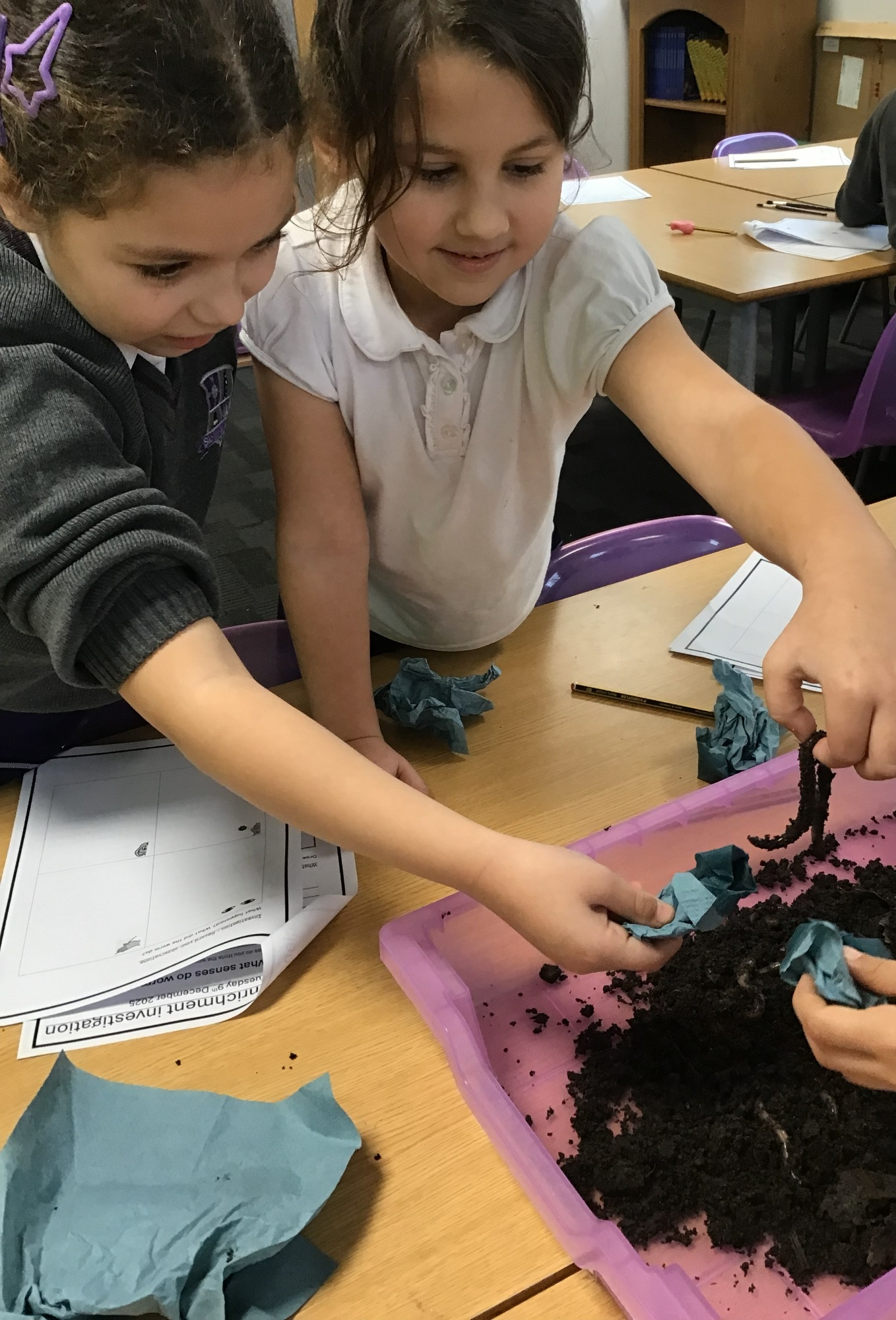
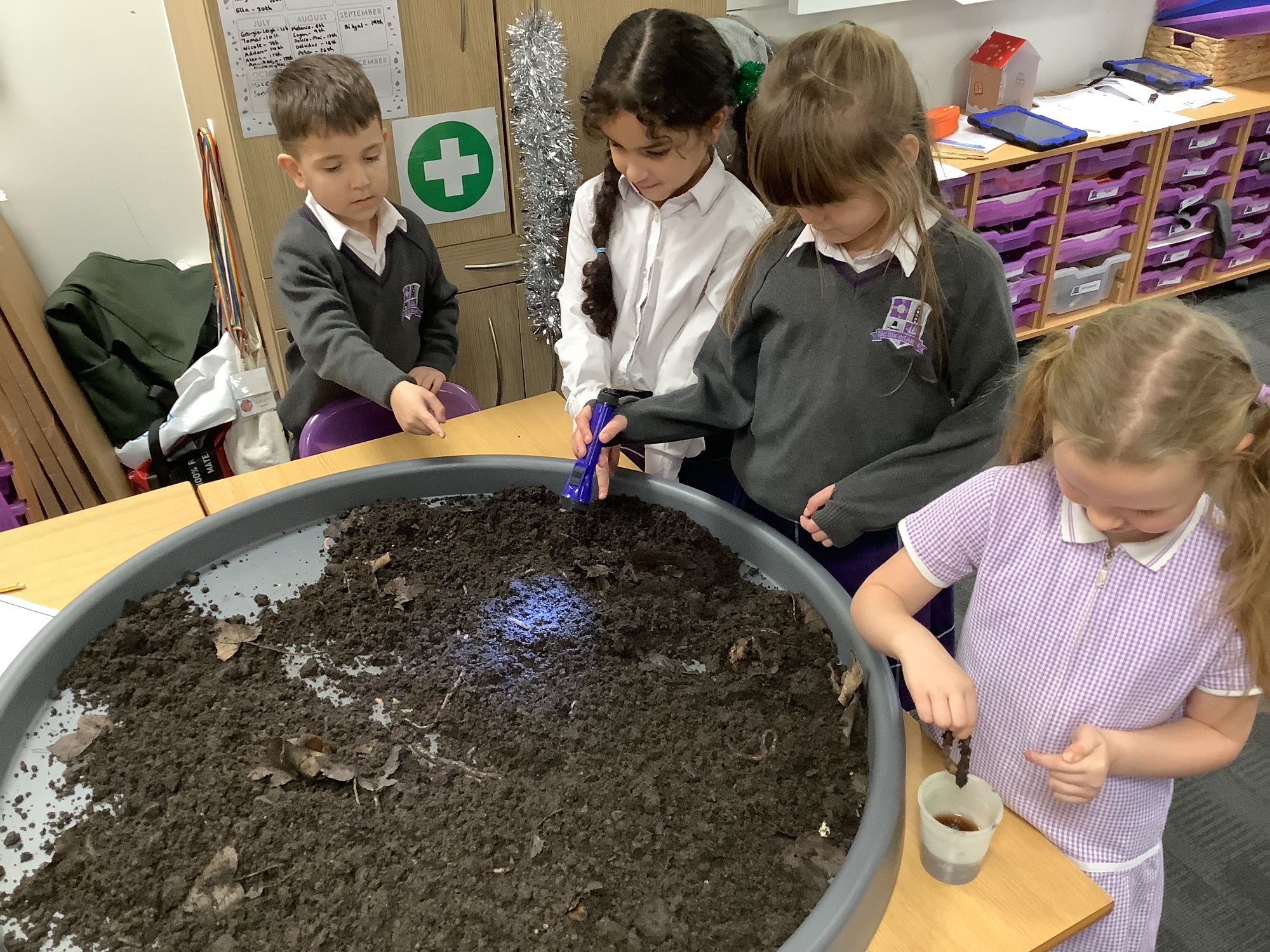
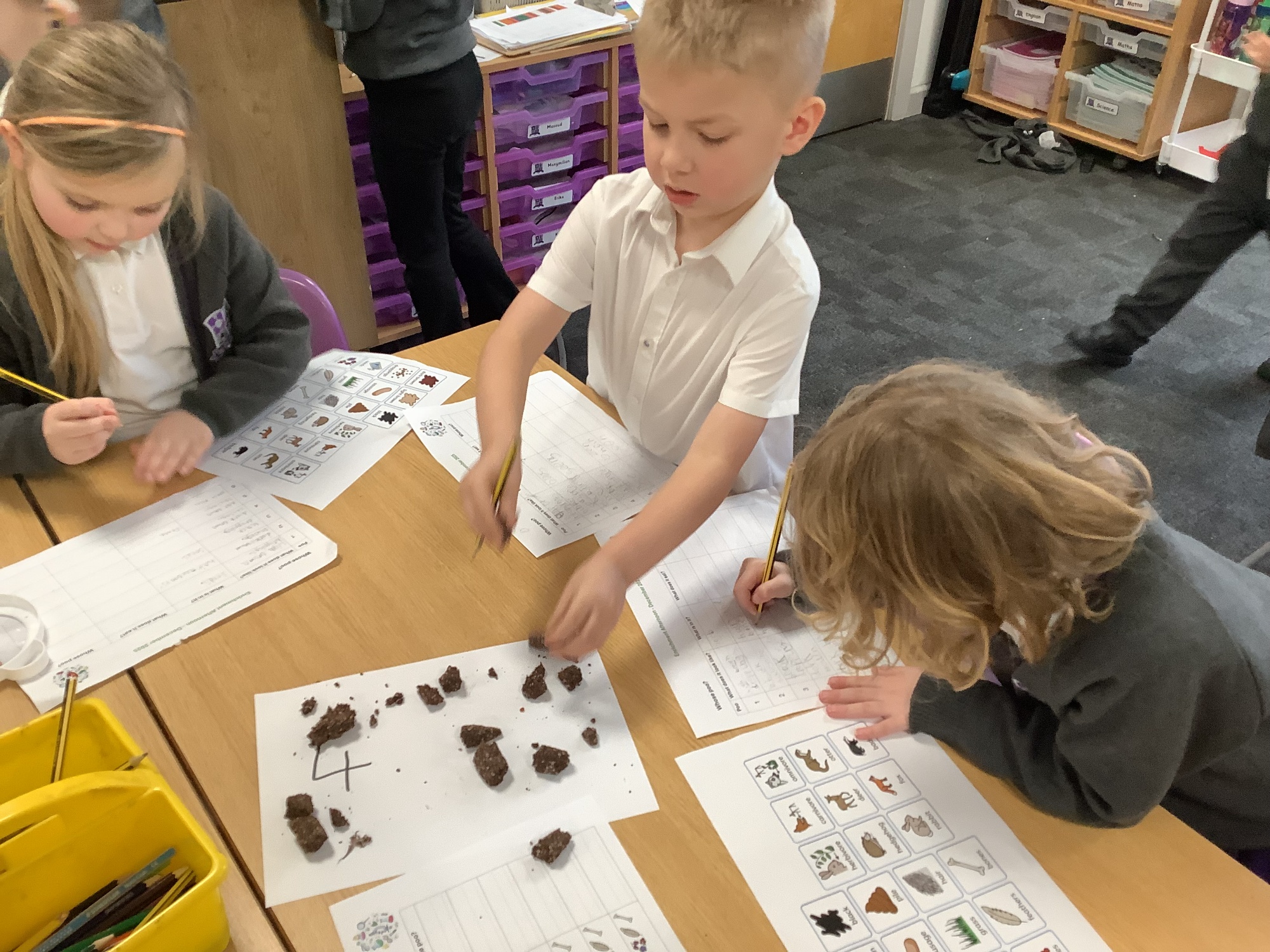
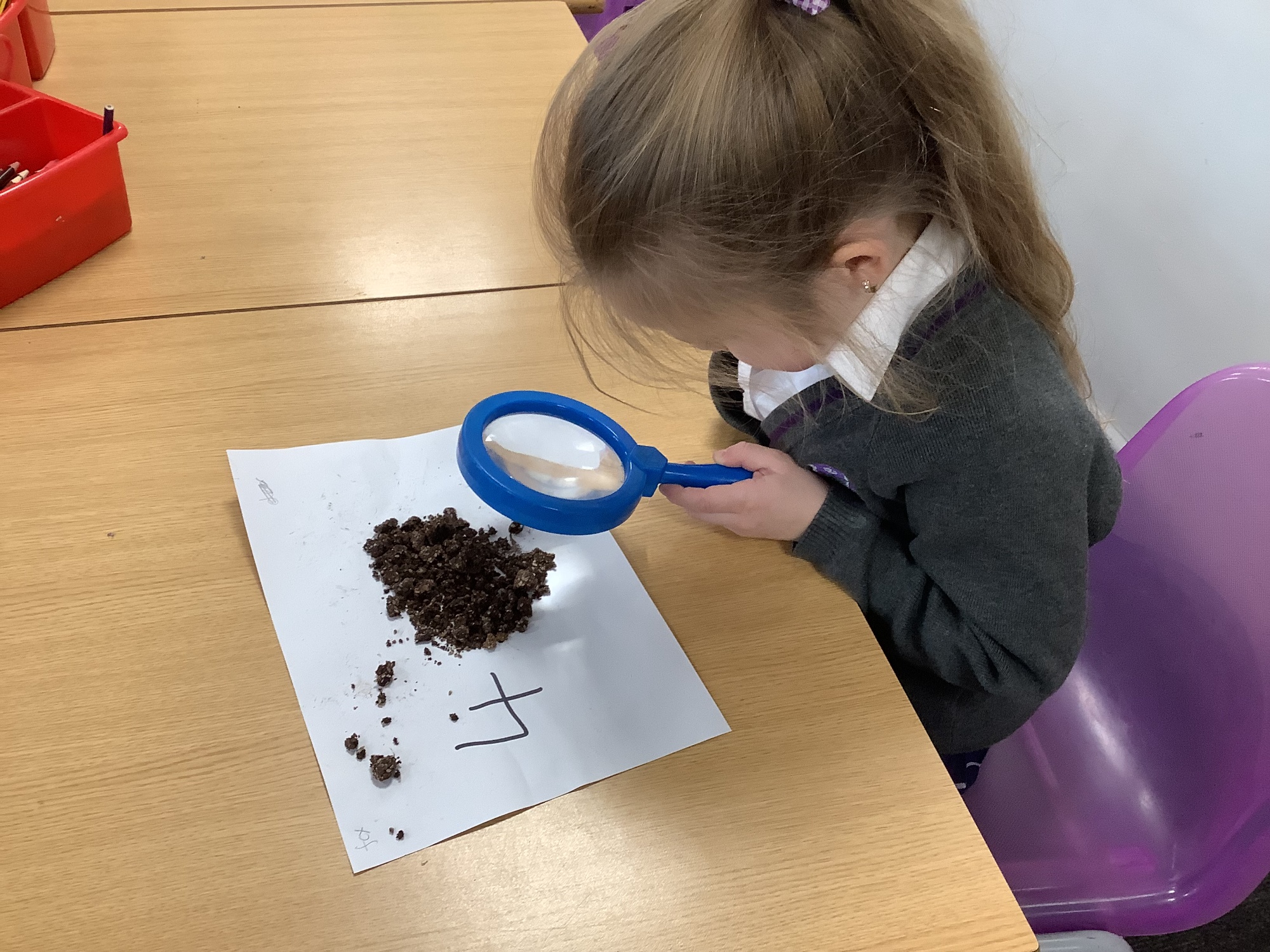
At Boston Pioneers Academy, we teach science through an enquiry-based curriculum that builds knowledge and skills step by step. Leaners discover the world around them, how things work, and how to think and act like scientists. They ask questions, explore, carry out experiments, and test their ideas. Learners also develop scientific words to explain their thinking clearly. This is important for life because it helps learners understand the past, make sense of the world now, and prepare for the future. Science also inspires curiosity, respect for the environment, and confidence in solving problems.
How do we teach science?
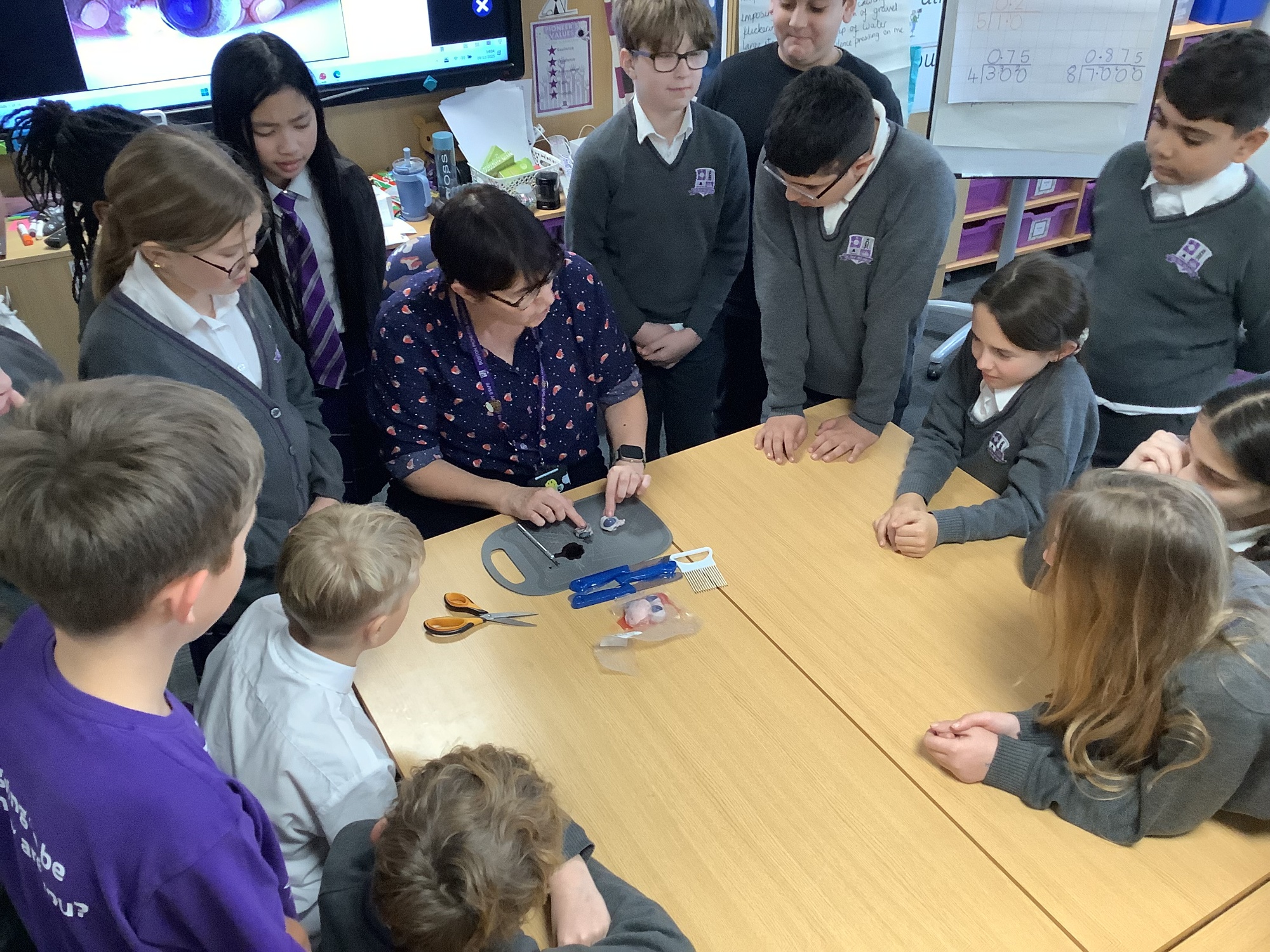
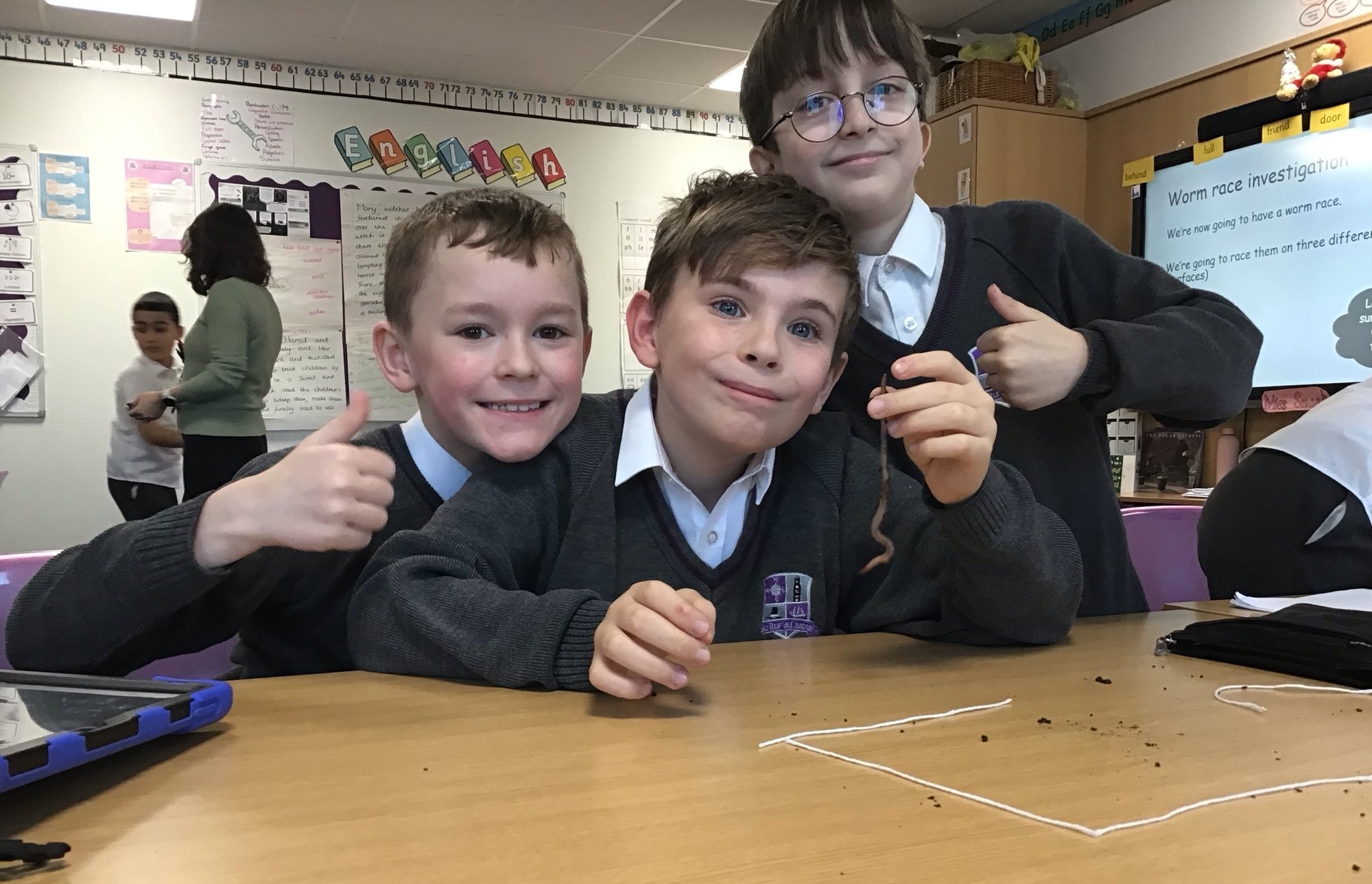
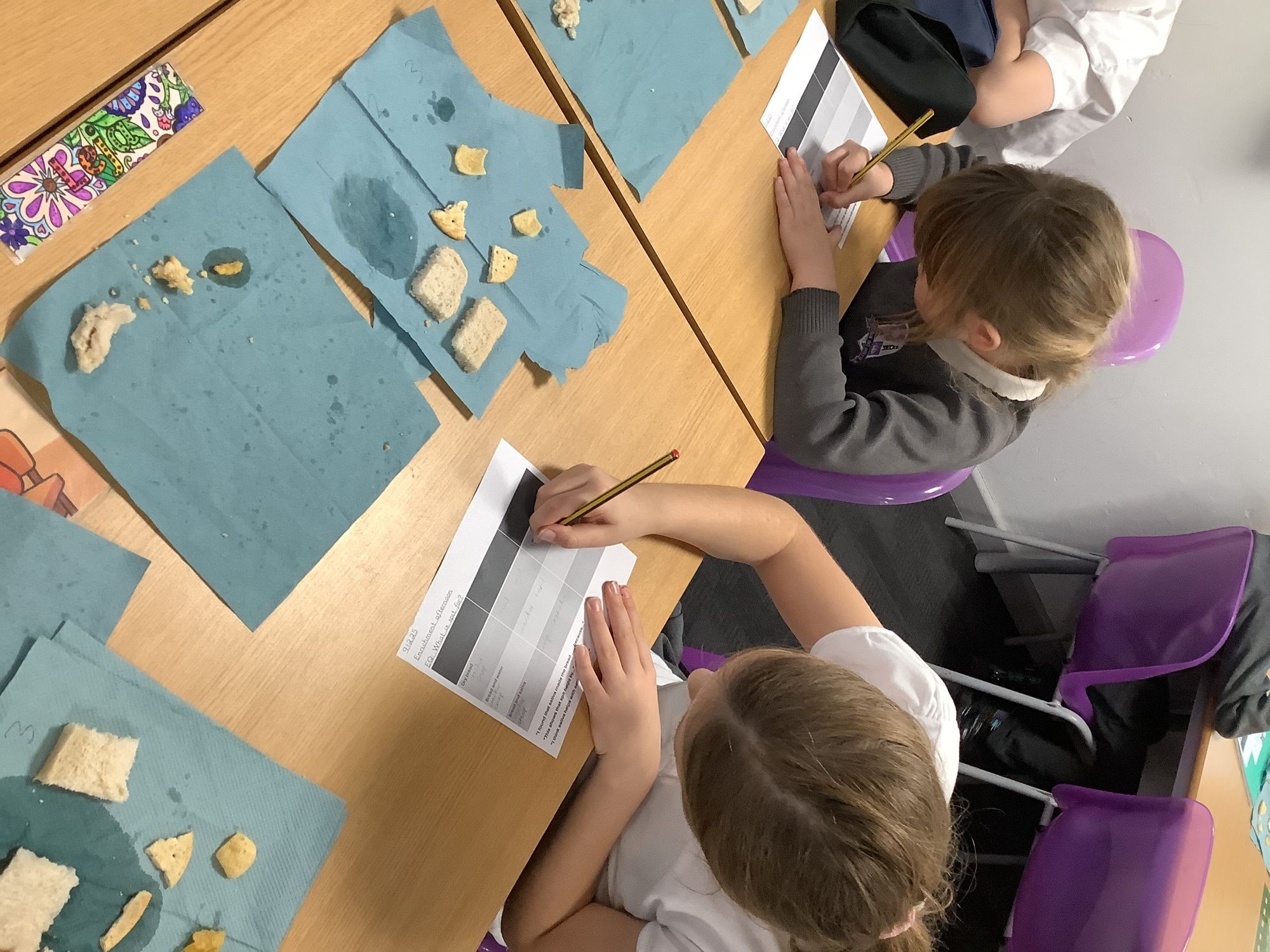
We teach Science every week as its own subject, following the National Curriculum. Topics are carefully planned so learning builds up year by year. Learners acquire important ideas from Biology, Chemistry and Physics. This helps them understand key facts and make sense of the world around them. We teach lots of scientific words so pupils can talk about their ideas clearly and confidently. Lessons include fun, practical activities and experiments that make learning exciting. Learners are encouraged to ask questions, think carefully and test their ideas, just like real scientists. Learners also learn about scientists, different jobs in science, and how science affects our lives now and in the future. This helps them understand why science is important outside the classroom. Teachers build on what learners already know so they become more confident in their science skills and knowledge. Working together, talking about ideas and doing practical work help children see how science links to everyday life.
What we want the children to have learnt in science
By the end of EYFS
Learners will have learned to explore and understand the world around them. They will be able to observe plants, animals, and people, noticing similarities, differences, and changes over time, such as growth, seasons, and weather. Learners will have explored everyday materials and their properties through hands-on activities. They will be confident in asking questions, making simple predictions, and talking about what they see using basic scientific words. Learners will also begin to care for living things and the environment.
By the end of Key Stage One
Learners will have learned key science ideas through hands-on investigations and practical activities. They will know about animals and plants, what they need to grow, and how they live in different habitats. Learners will have explored materials, learning about their properties and how they can change. They will also know about basic physical science, such as forces, light, and sound. Learners will ask questions, carry out simple experiments, and explain their findings using scientific words.
By the end of Key Stage Two
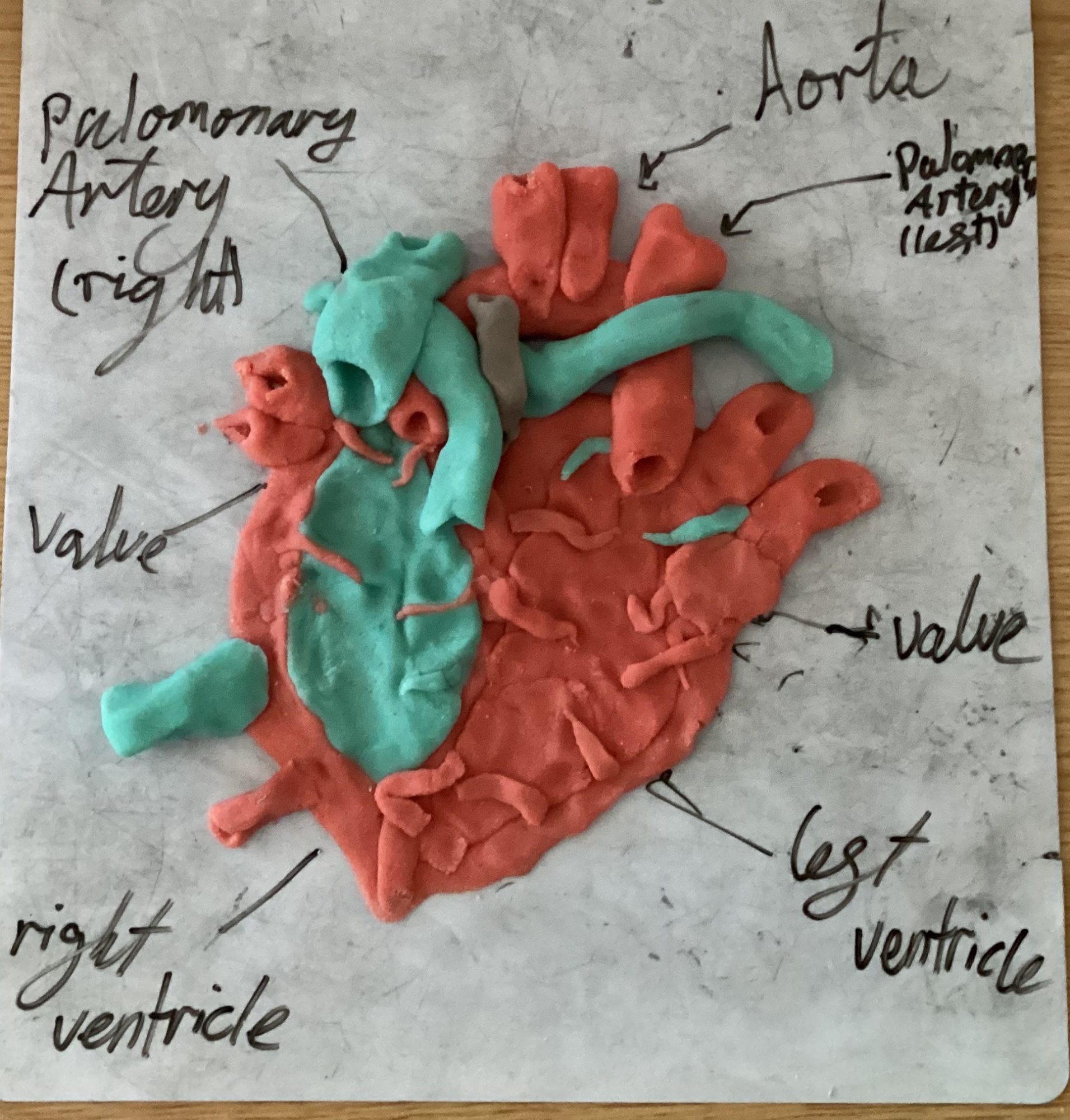
Learners will have a strong understanding of key scientific concepts in biology, chemistry, and physics. They will know about human body systems, evolution, living things and their habitats. They will understand properties and changes of materials, electricity, light, sound, and forces. Learners will be able to plan and carry out experiments, record and analyse results, and explain their findings using scientific vocabulary. They will also understand how science affects everyday life and the wider world.