Computing
I am Mrs Harrison and I am Computing Lead for Boston Pioneers Academy. I bring a vast and varied experience in teaching (nearly 40 years!) and a strong background in the world of education. I have a passion for helping children develop the skills they need for an increasingly digital world. I enjoy leading computing because it combines creativity, problem-solving and logical thinking, while giving learners the confidence to become safe, responsible and enthusiastic users of technology. Supporting colleagues, shaping an engaging curriculum and seeing pupils grow in independence and curiosity makes leading computing a particularly rewarding role within the school.
What we teach in computing and why it is important
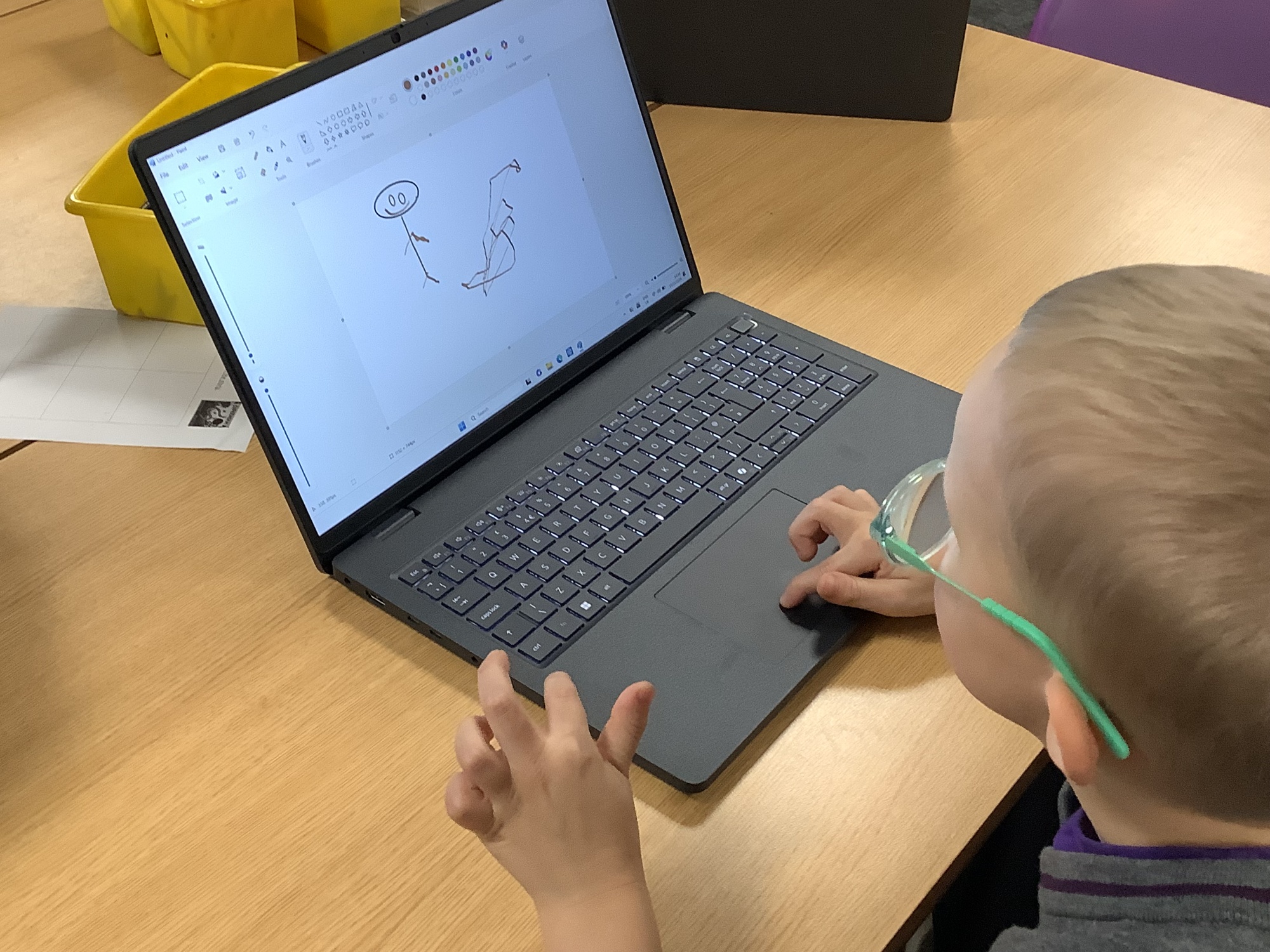
Computing at Pioneers Academy includes coding, data handling and digital creation which allows learners to understand how to break down problems, spot patterns and develop solutions. Teaching online safety ensures learners know how to stay safe, respectful and confident when using technology. From an early age, they learn how technology works, how to use it safely and responsibly, and how to think logically to solve problems.
Computing is vital to help children understand the digital world that they are growing up in. Computing helps children build essential skills for life, including problem-solving, creativity, resilience and critical thinking.
In an increasingly digital society, computing prepares pupils for future education, careers and everyday life, while empowering them to become informed, responsible and confident digital citizens.
How we teach computing.
At Boston Pioneers Academy, computing lessons are driven by our curriculum values. Learners discover and refine skills with interest and purpose. Themes begin with activities that spark curiosity, encouraging children to explore technology through hands‑on tasks and investigations that make them want to discover more. Our computing curriculum builds knowledge progressively, helping pupils to understand key concepts such as how computers work, how to code simple programs, and how to stay safe online as well as skills needed for the world of work and beyond—all linked to clear, age‑appropriate learning goals.
We support learners to become articulate communicators by giving them opportunities to explain their ideas, share solutions and reflect on their thinking. Lessons are delivered with excitement, so computing feels creative and relevant. Children experience coding, digital design and problem‑solving challenges that connect to real life. Through this approach, learners not only learn how to use technology, but why it matters, preparing them to be skilful, active and curious digital citizens who are inspired to journey to the world beyond their present lives.
Our computing curriculum is built around our academy’s drivers so that all learners know more and learn more and can apply their skills with confidence as they grow.
What we want the children to have learnt in computing
By the end of the EYFS
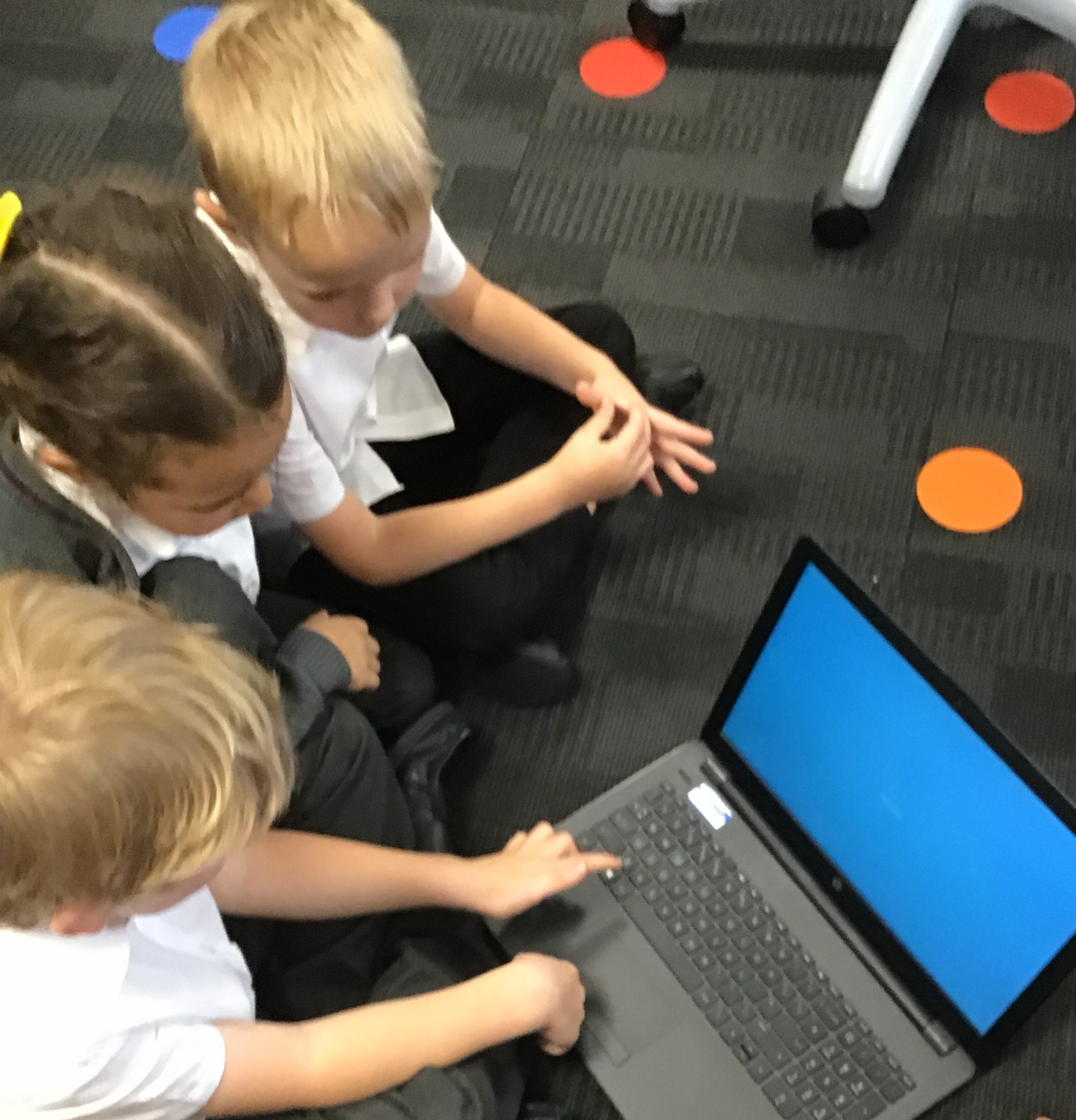
Learners will be confident in exploring and using technology in purposeful ways. They will have learnt to operate simple digital devices such as tablets, cameras, and interactive whiteboards, developing basic skills with touchscreens, keyboards, and a mouse. Learners will have learnt to follow simple instructions and sequences, laying the basis for computational thinking and coding. They will understand that information can be stored and retrieved digitally and are supported to engage safely and responsibly with technology. Above all, EYFS computing fosters curiosity, creativity, and confidence, helping learners see technology as a tool for learning, exploring, and expressing their ideas as well as a vital tool for future life opportunities.
By the end of Key Stage 1
Learners will have learnt to use technology confidently to create, store, and retrieve digital content, including text, images, and audio. They will have learnt to understand what algorithms are and how to write and test simple programs, learning to debug errors along the way. Learners will have learnt to use technology safely and responsibly, understanding basic rules for online safety and respectful behaviour. Through Computing lessons children will have developed problem-solving and logical thinking skills and a sense of creativity, while learning how technology supports learning across different subjects and in everyday life.
By the end of Key Stage 2
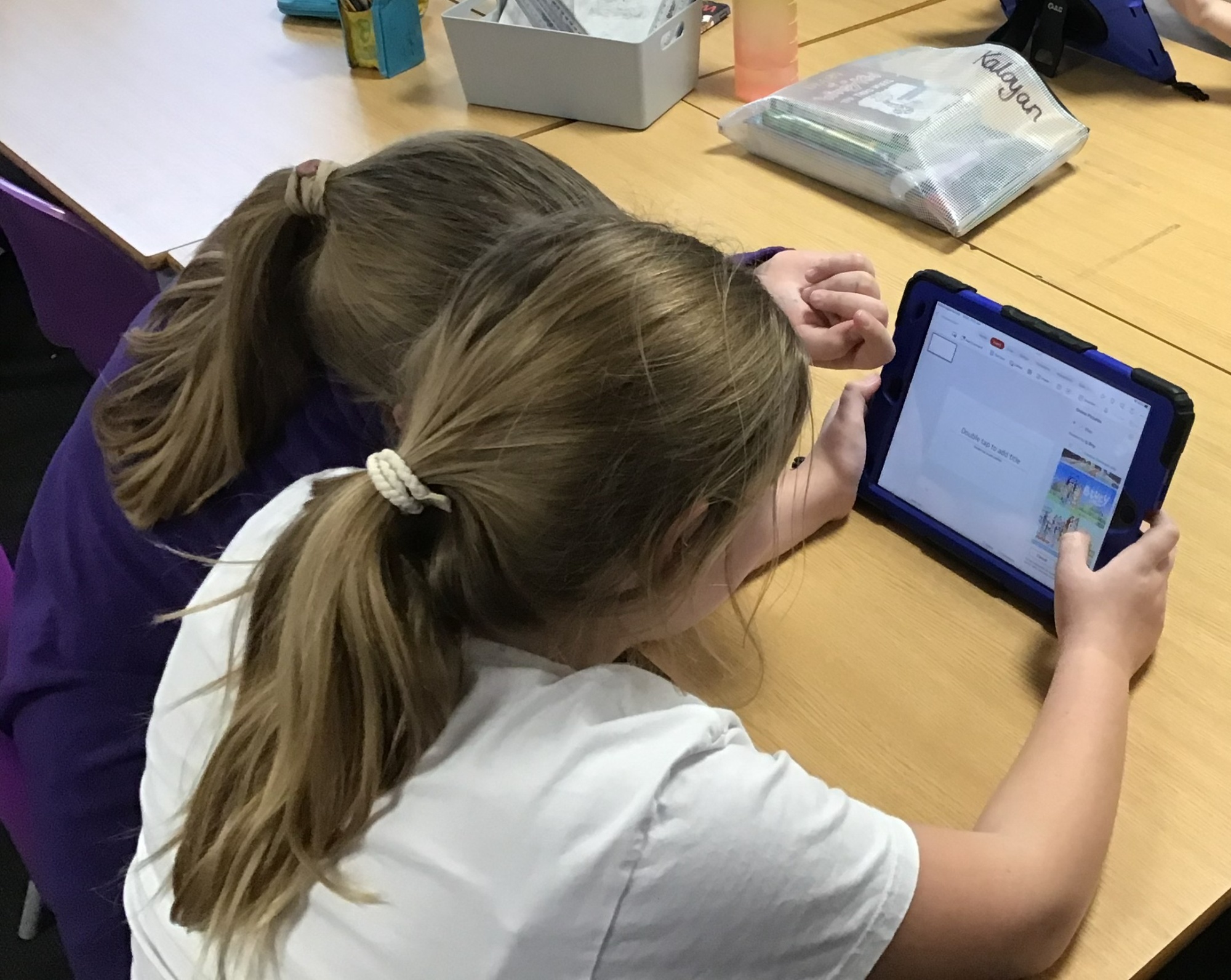
Learners will have learnt to design, write, and debug increasingly complex programs, using concepts such as loops, variables, and conditionals. They will have developed an understanding of how computer systems and networks work and have learnt to use a variety of digital tools to research, present, and communicate ideas effectively. Learners will have learnt to organise and interpret data using spreadsheets and databases, and how to continue to apply online safety rules, understanding digital footprints and protecting personal information. Computing at KS2 encourages problem-solving, creativity, logical thinking, and collaboration, leaving children fully prepared to use technology confidently, responsibly, and imaginatively in school and beyond.