Music
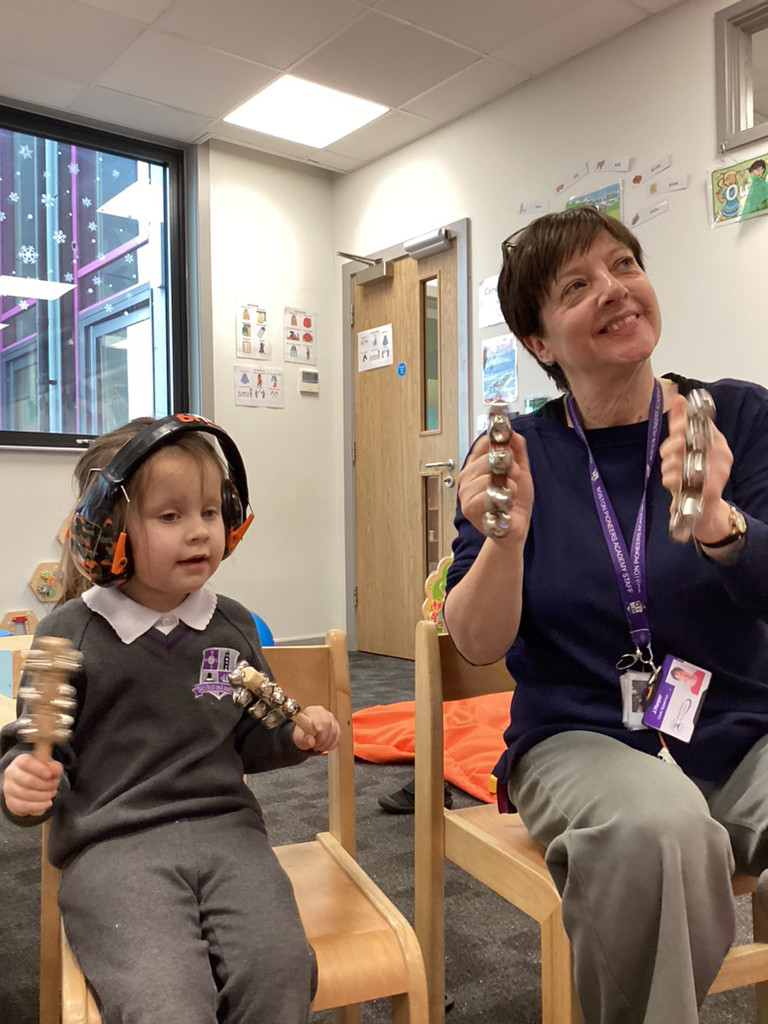
My name is Mrs Cuthbert, and I have taught for over 30 years in schools all around the world. The experience of teaching around the world has deepened my love of education and its power to connect communities. Because of that music has become a huge part of my life. I sing in a choir and see first-hand how music supports wellbeing, confidence and joy. I love leading music in school because it helps children feel calm, inspired and included, while discovering the happiness that making music together can bring.
What are we teaching in music and why it is important
At Boston Pioneers Academy, we believe music is a vital part of every child’s development. We teach music to nurture creativity, spark curiosity, and inspire a lifelong love of learning. Through singing, playing instruments, composing, listening, and performing, learners develop musical skills, confidence and communication. Music brings people together, unites our diverse community, supports wellbeing, and encourages learners to aim high.
By exploring music from different cultures, periods, and traditions, learners gain cultural understanding and a sense of identity. Hands-on learning allows them to connect what they hear, see, and create, fostering creativity, critical thinking, and self-expression. It also strengthens teamwork, builds confidence, and leaves curious learners, inspired, and ready to continue their musical journey.
How we teach music
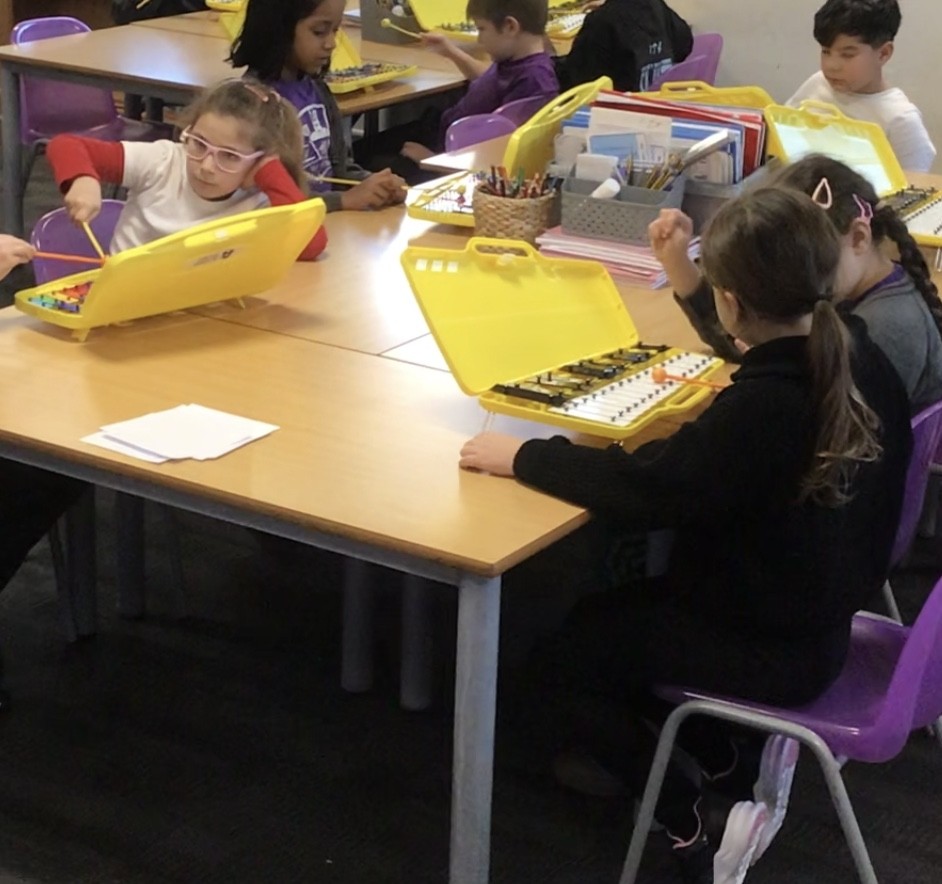
At Boston Pioneers Academy, music is taught in a clear, structured and inspiring way so that every child can enjoy being creative and develop their musical knowledge. Learners take part in regular singing, playing instruments, composing, listening and performing. These activities help pupils share their ideas, build musical vocabulary and grow in confidence.
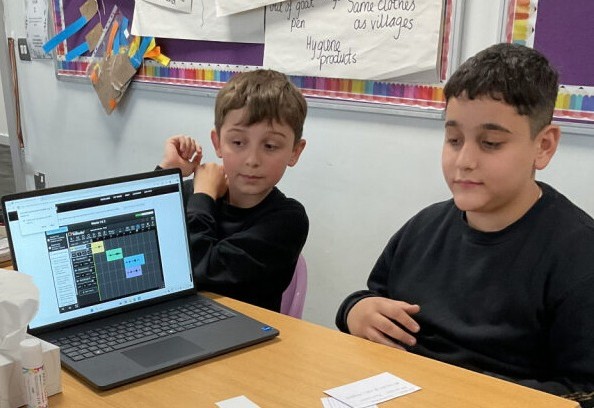
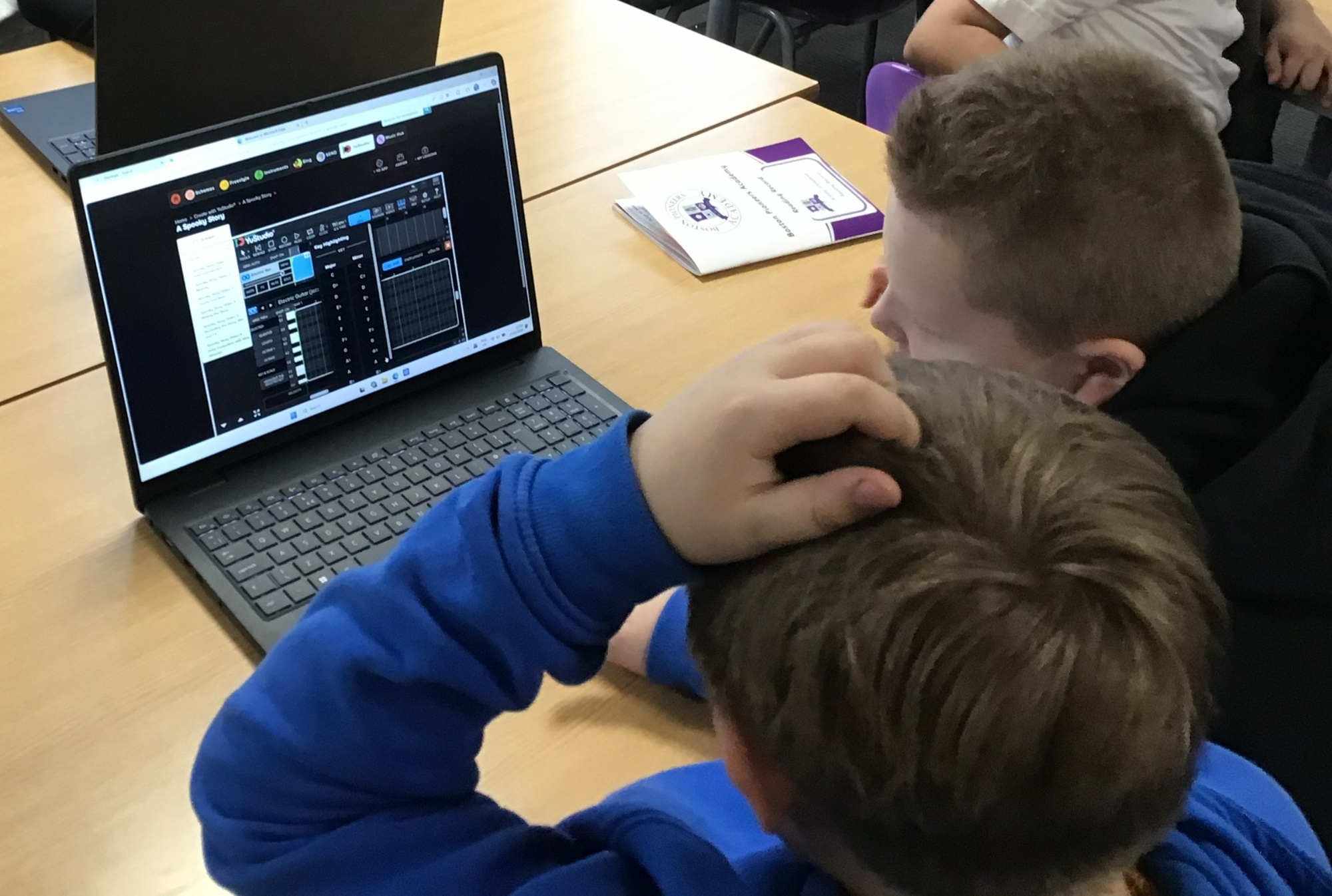
Our music lessons spark curiosity and excitement as learners explore music from different cultures, traditions and time periods. We also use technology to create and develop music, helping to support inclusion and creativity for all learners.
Music is guided by our curriculum drivers and taught through the Charanga scheme. It plays an important role in bringing our diverse school community together, supporting wellbeing and encouraging high aspirations.
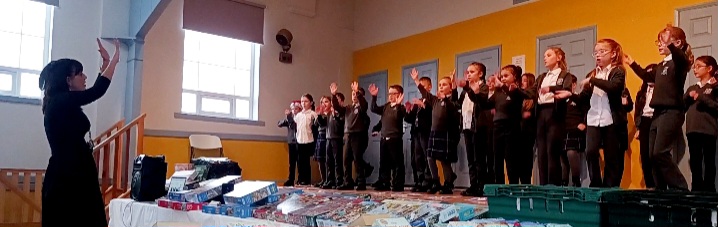
We also have an inclusive school choir; we meet weekly to practise and have fun. The choir performs regularly in school assemblies and at community events.
What we want them to have learnt in music
By the end of EYFS
By the end of Reception, learners can listen carefully to music, follow a leader, and talk about what they hear. They remember and sing short songs, match pitch, and use chants creatively. They play percussion instruments with control, move and dance expressively, remember movement patterns, and explore their own choreography safely.
By the end of KS1
Learners can sing songs and chants from memory, matching pitch and singing with expression. They play simple percussion instruments, create rhythms, and explore sounds to make their own music. Learners listen carefully to different styles of music, talk about what they hear, and use technology to compose and record patterns. They keep a steady beat, move to music, and perform confidently on their own and in groups. Through these experiences, children are curious, excited, and inspired, developing the skills and knowledge to enjoy and create music.
By the end of KS2
Learners can listen carefully and respond to music, following a leader and talking about what they hear. They sing confidently, matching pitch and melody, and understand how songs can tell stories. They can play instruments with increasing skill and coordination, move and dance expressively, and create their own choreography. Learners can compose simple songs and rhythms, share and perform music with others, and discuss their ideas and feelings about music. They also develop confidence in using creative tools, including voice, instruments, movement, and props, to express themselves.