Religion & Worldviews

Hi, I am Mrs Harper. As Religion and Worldviews Lead, I love helping children to learn about different beliefs and ways of life. I have taught in multicultural schools across Berkshire as well as in Boston, which has shown me how important respect and understanding are. Religion and Worldviews lessons are a safe place where children ask big questions, share ideas and listen to others. I have high expectations for all our learners that they will grow into kind, confident and curious individuals and will become thoughtful members of our school as well as the wider world.
What we are teaching in Religion and Worldviews and why it is important.
In Religion and Worldviews, children learn about different religions and beliefs, as well as people who do not follow a religion. This teaching helps children understand that people believe different things and that these differences should be respected. Religion and Worldviews is important because it builds kindness, empathy and curiosity, and helps children learn how to live happily and respectfully in our diverse world.
How we teach Religion and Worldviews
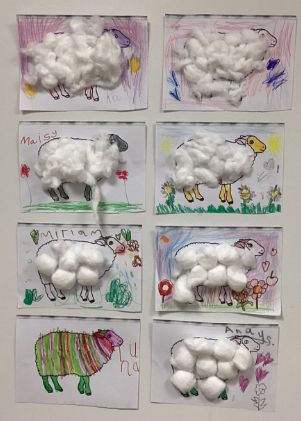
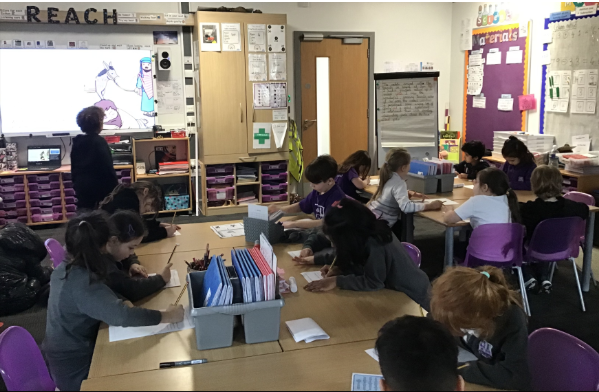
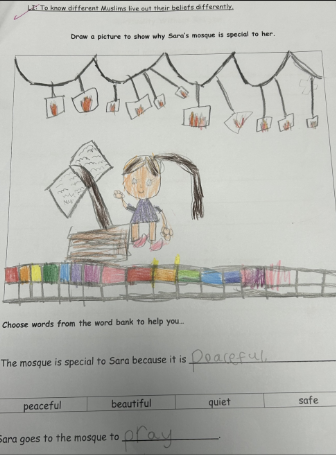
We teach Religion and Worldviews in a respectful and inclusive way, linked to our school’s curriculum drivers at Boston Pioneers. Lessons are carefully planned so all children can take part, with activities adapted to meet different needs. Learning is hands-on and active wherever possible, using stories, artefacts, visits, art, drama and discussion. We make sure children learn and use key vocabulary, helping them talk clearly about beliefs and ideas. By linking Religion to real life and our wider curriculum, children build understanding, curiosity and respect for others.
Our teaching focuses on clear, meaningful knowledge rather than too much content. We follow a bespoke curriculum developed by our Trust and drawing on the expertise of a Subject Specialist from Lincoln Diocese. Our curriculum is tailored to reflect our local context and is designed to help children understand a wide range of religious and non-religious beliefs.
What we want them to have learnt
By the end of EYFS, learners will have developed foundational awareness of religions and world views, focusing on understanding, respect and curiosity. Children will:
· Know that people have different beliefs, traditions and ways of life
· Recognise that some people follow religions and others hold non-religious world views
· Be familiar with special stories, celebrations, places and symbols from a range of religions
· Talk about their own experiences, feelings and ideas, and compare them with others
· Show respect and kindness towards people with beliefs different from their own
By the end of Key Stage 1, learners will have a simple, secure understanding of religions and world views, building on EYFS curiosity and respect. Pupils will:
· Know that people belong to different religions and world views, including non-religious ones
· Be able to name and recognise key religions studied and some of their core beliefs
· Know about special stories, celebrations, symbols and places linked to these religions and non-religions where appropriate
· Describe how beliefs influence what people do, including daily life
· Make simple comparisons between religions and non-religious world views and their own experiences
· Show respect, empathy and openness towards the beliefs of others.
By the end of Key Stage 2, learners will have a developing, thoughtful understanding of religious and non-religious world views, enabling them to reflect, question and make connections. Pupils will:
· Know that religions and world views are diverse, complex and internally varied, including non-religious world views
· Understand key beliefs, teachings and practices of the religions studied, using appropriate vocabulary
· Explain how beliefs influence individuals, communities and societies, in everyday life and at significant times
· Recognise similarities and differences within and between religious and non-religious world views
· Ask meaningful questions and give reasoned responses about beliefs, values and ways of living
· Reflect on their own beliefs and values with respect and empathy for others