Design Technology
I am Mrs Pinder and I am the DT subject leader. I have been a teacher for 25 years and have been part of the staff team at Boston Pioneers Academy for 10 years. I love Design and Technology because it is creative and fun. DT helps learns think, make, and solve problems in different ways, with no restrictions, limit or ceiling as to what could be possible. I believe it is okay to get things wrong and make mistakes; sometimes things fail and this can be a good thing. When something does not work, we learn how to make it better next time. I am passionate about DT for many reasons, but mainly because it teaches real life skills and builds confidence for all learners.
What we are teaching in DT and why it is important
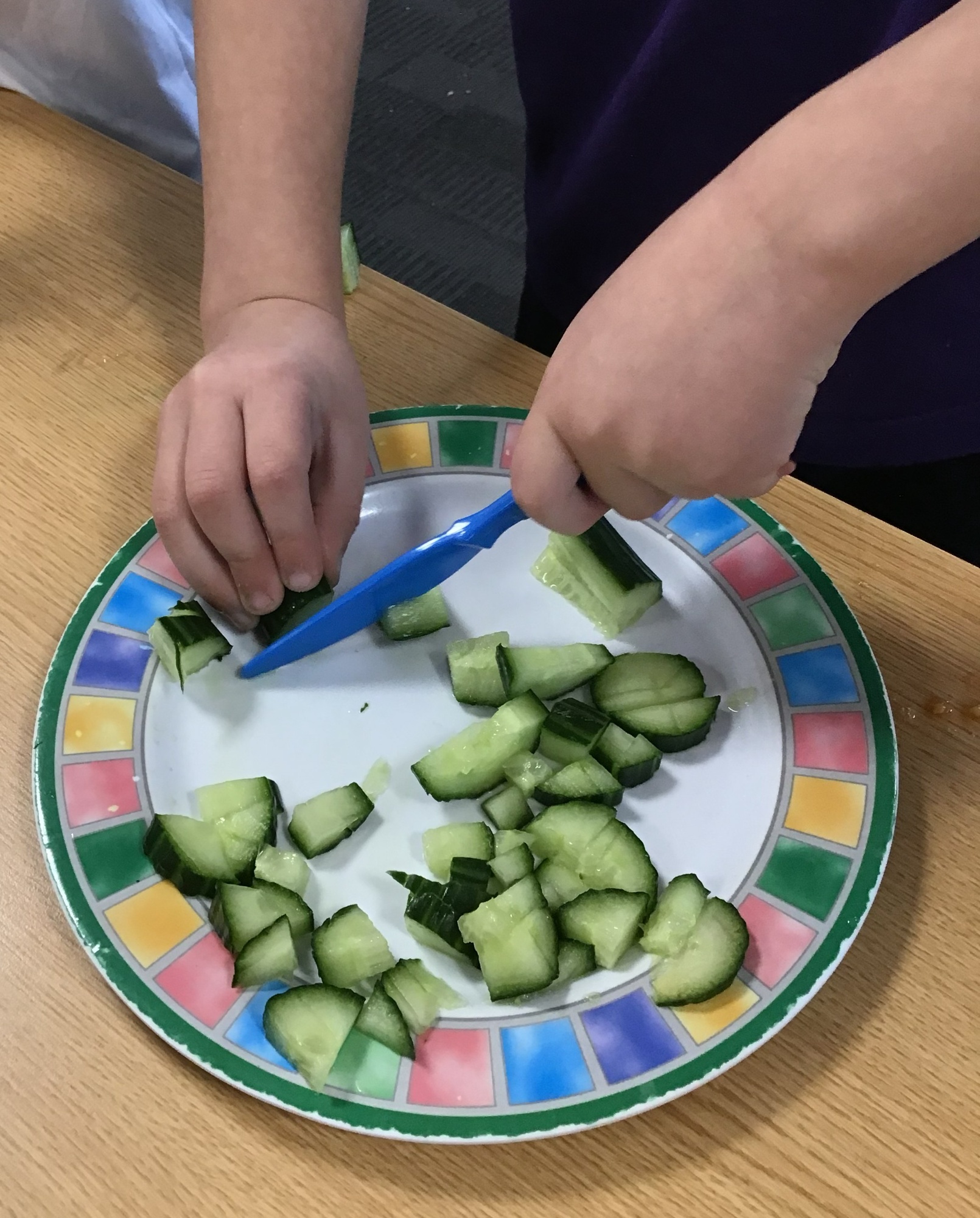
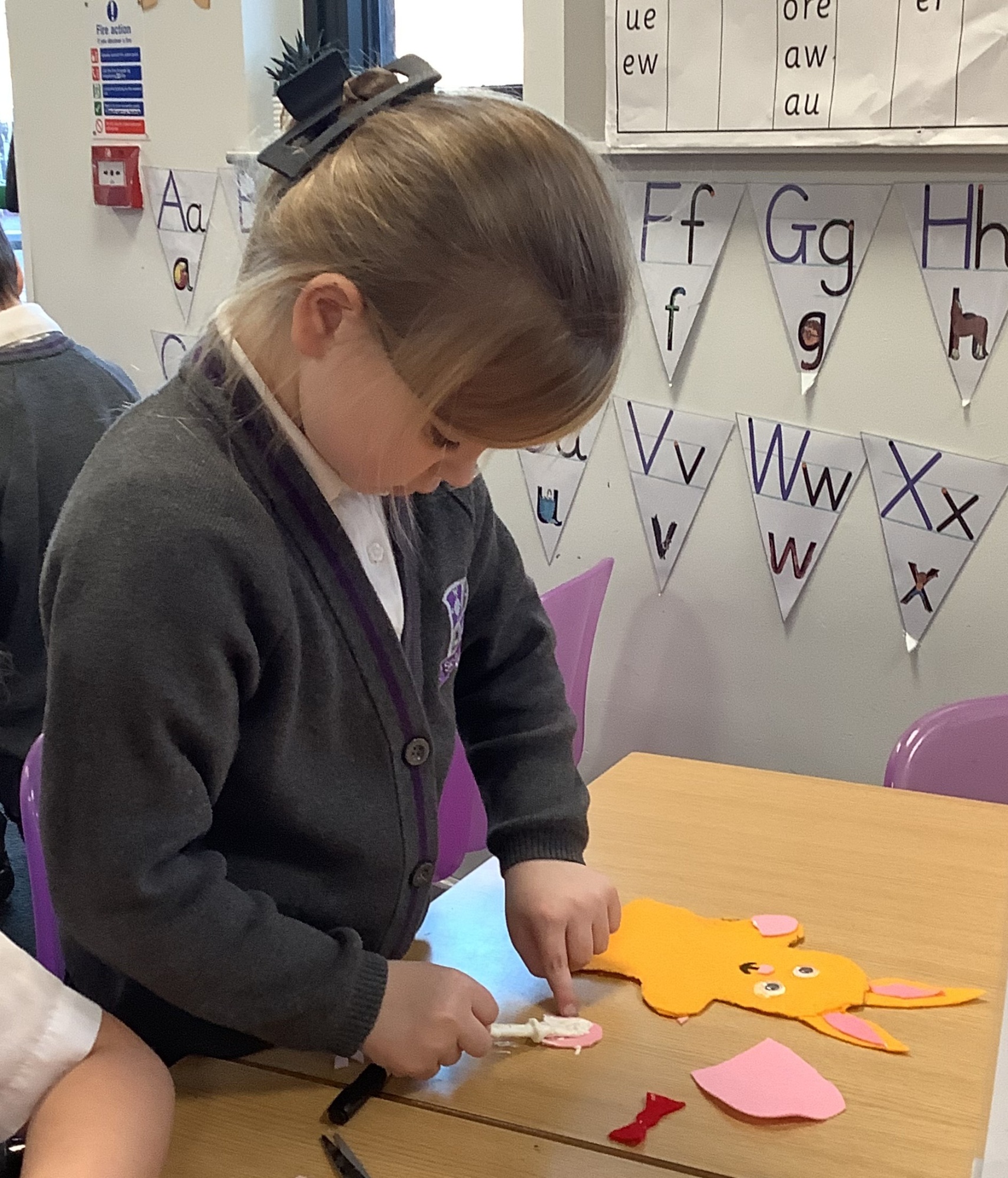
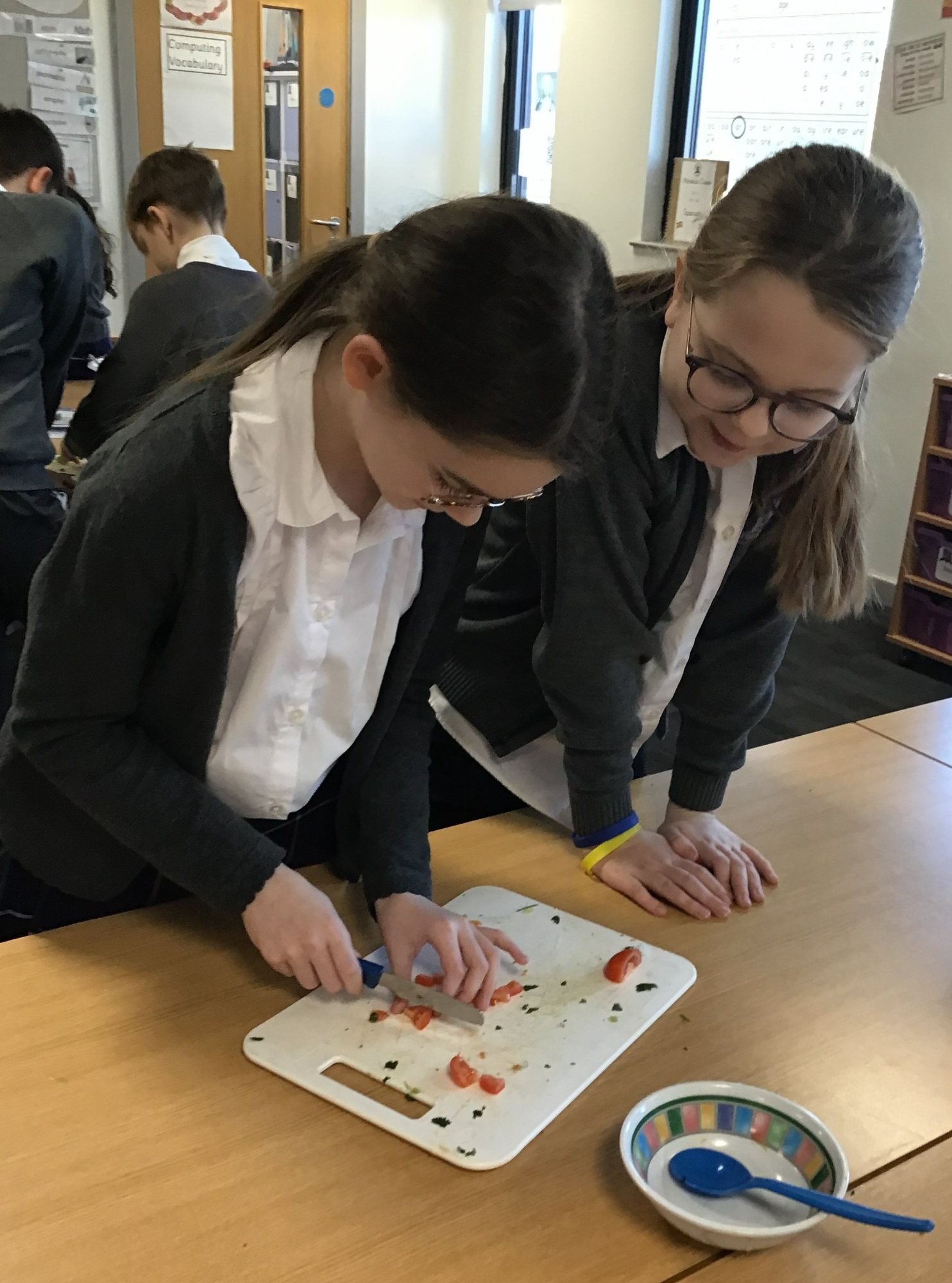
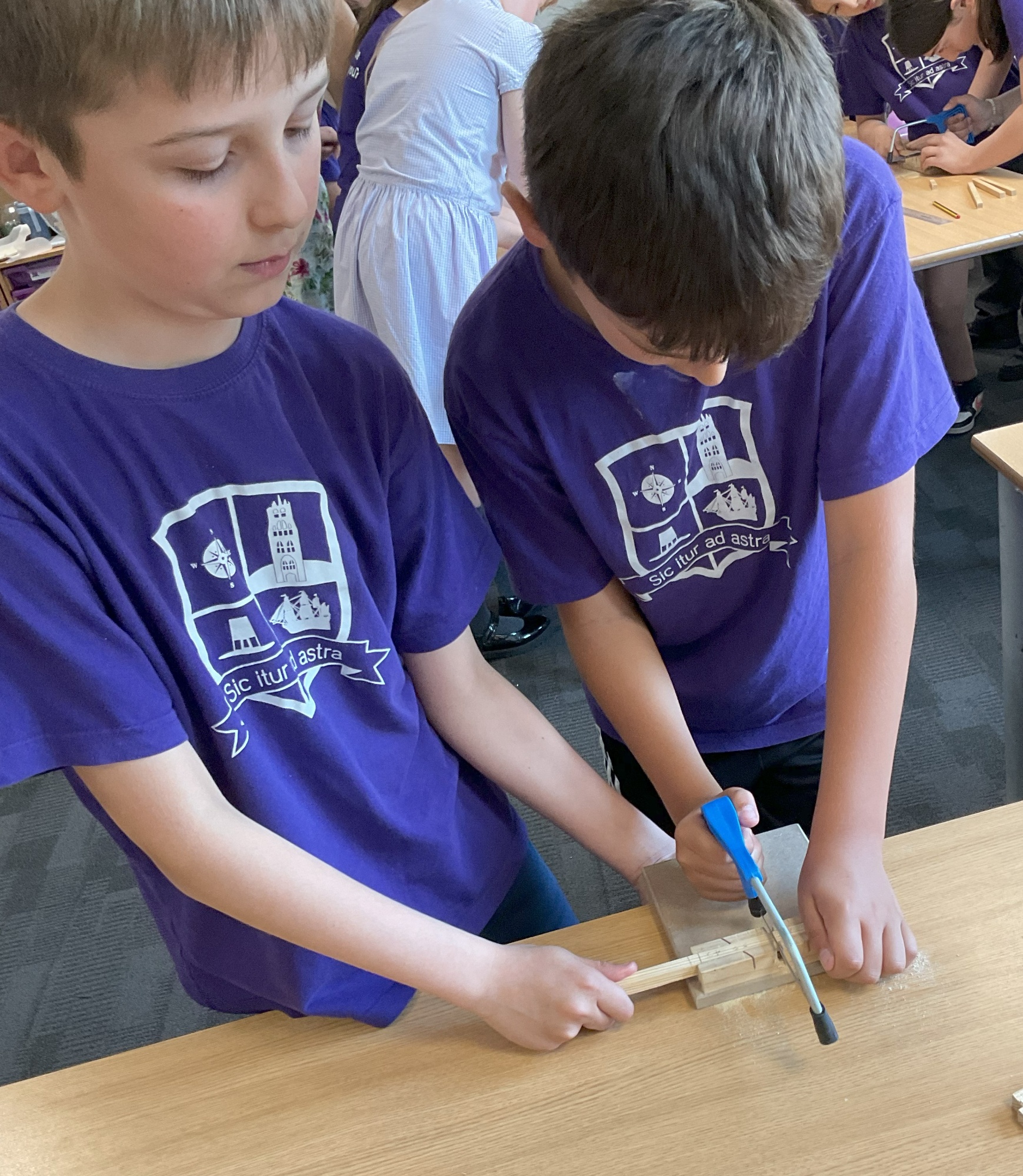
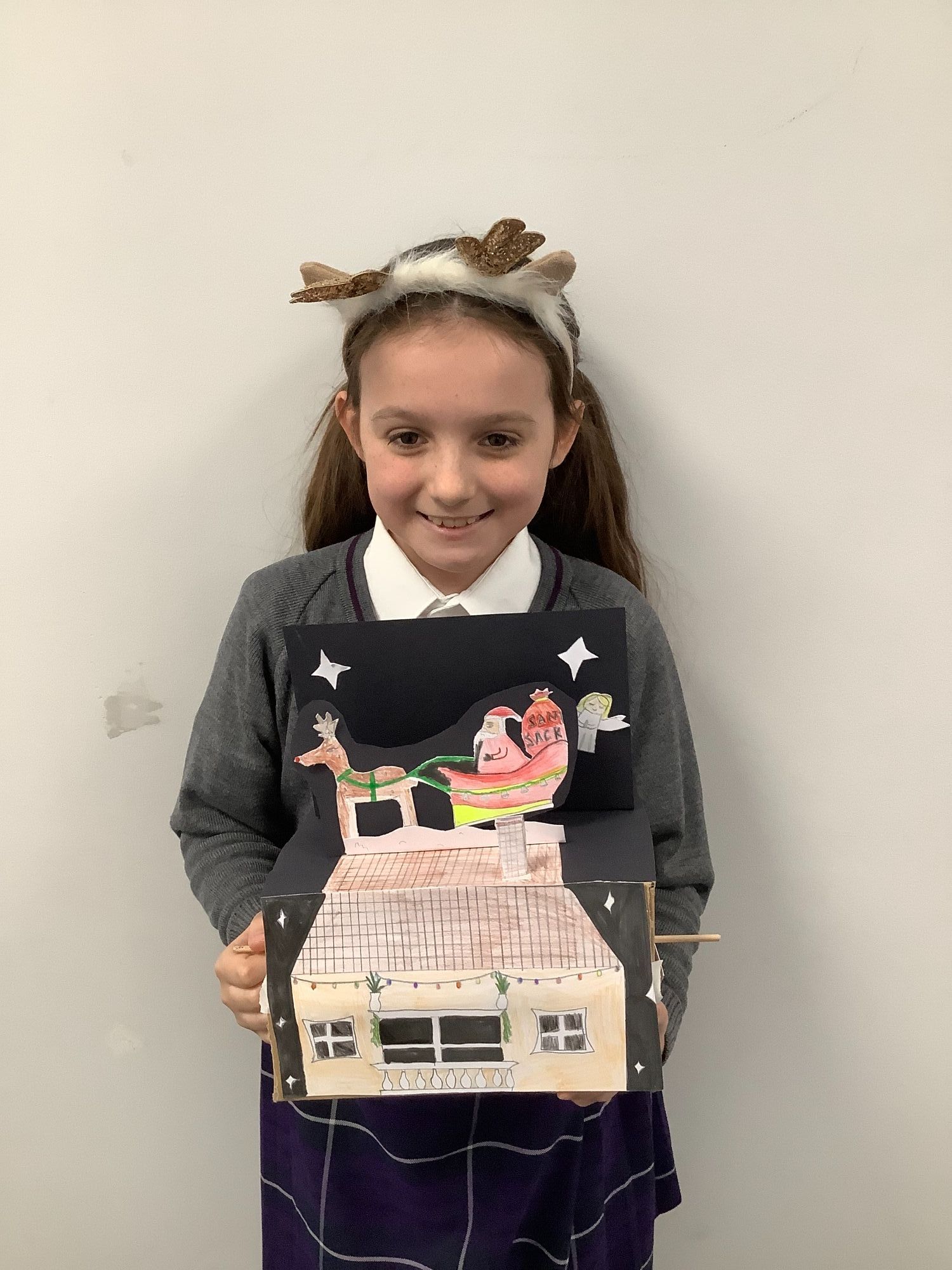
At Boston Pioneers Academy, we want Design and Technology to be a hands-on, fun, and exciting subject. DT helps learners use their creativity and imagination to design and make different products. These include structures, moving mechanisms, electrical items, textiles, and food. All of these are made to solve real problems in real life situations.
Through a range of creative and practical projects, they learn important knowledge and skills. They design, make, and evaluate their work, learning what works well and how to improve. We encourage pupils to be brave, try new ideas, and become confident innovators.
How we teach DT
At our school, we follow the National Curriculum for Design and Technology. All learners study DT with their class teacher in special blocks of lessons, usually once each long term. These DT topics link to our wider learning themes so pupils can see how everything fits together.
Each DT project is carefully planned to help pupils build their knowledge and skills over time. Learners design and make products that have a clear purpose and work well. These projects link to real life areas such as the home, school, leisure, culture, business, industry, and the environment. Food and product design are taught every year up to Year 5, textiles are taught once in each key stage, and computer design is taught in Years 5 and 6.
What we want the children to have learnt in DT
By the end of EYFS
Learners will have used a range of simple tools and learned how to use them safely. They will have explored different materials and discovered how they look, feel and move. Learners will choose materials that interest them and help answer their questions. They will understand that materials can be changed to do a job. Learners will build simple products with purpose and share what they have learned and discovered.
By the end of KS1
Learners will have built a strong range of Design and Technology skills and knowledge. They will design products that are useful, work well and look good, using clear design criteria. Learners will share ideas through talking and drawing. They will choose the right tools and materials for different tasks and learn how to make structures stronger and more stable. They will explore simple mechanisms, learn about healthy food and where it comes from, and evaluate their own work and existing products.
By the end of KS2
Learners will have taken part in many creative and practical activities, learning the skills and knowledge needed to design and make products through trial and improvement. They will research and use design criteria to create innovative, useful, and appealing products for specific people or groups, showing ideas through sketches, diagrams, models, and prototypes. Learners will use a wide range of tools, materials, and ingredients, thinking about how things work, their appearance and how to make structures strong. They will explore mechanical and electrical systems, understand healthy diets and seasonality, and evaluate their own and others’ products to make them better.