Phonics & Early Reading

Phonics & Early Reading at Boston Pioneers Academy
At Boston Pioneers Academy, our phonics curriculum is planned and sequenced to meet the needs of all our children and ensure clear progression as they move through school. We aim to give every learner the knowledge, skills and confidence to become successful readers—not only in school, but also in their future learning and life.
What we are teaching in phonics and early reading – and why it is important
Phonics and early reading are so important because they open the door to every other part of learning. Children who read well early on are more confident, have a wider vocabulary, and often achieve better across the curriculum. Most importantly, reading helps children develop independence and a lifelong love of learning.
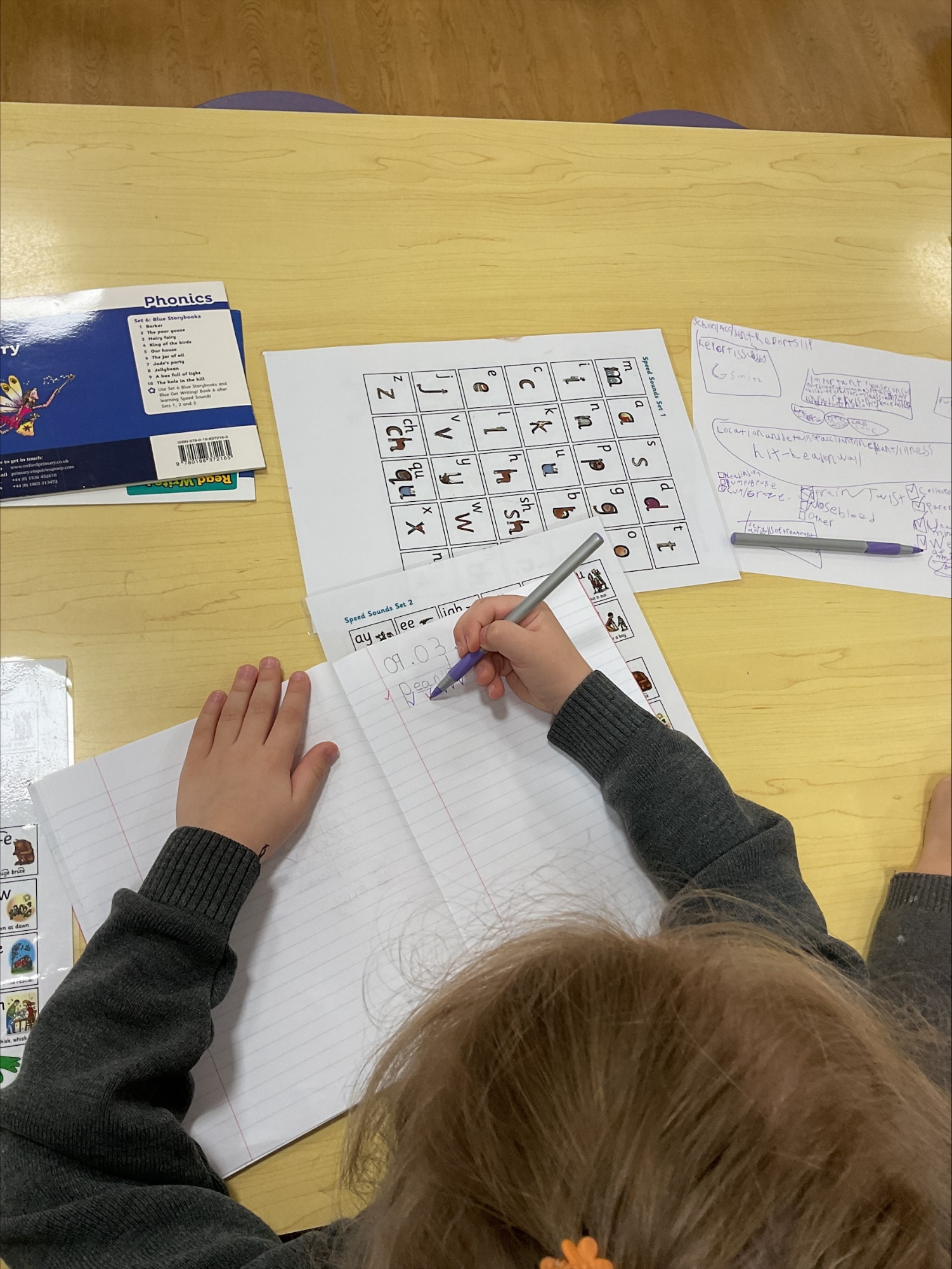
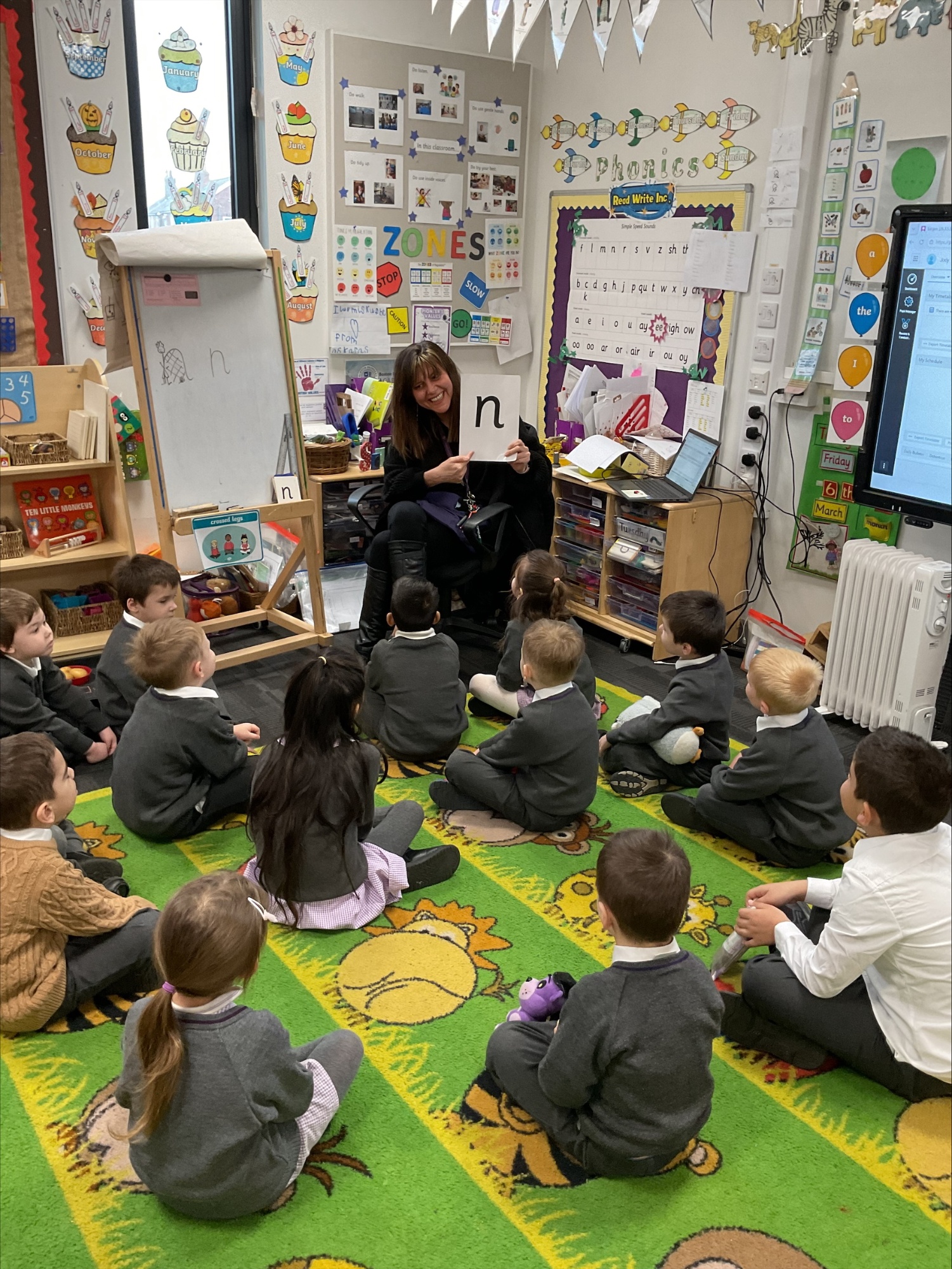
In phonics, we teach children the building blocks they need to become confident readers. This includes learning all the different sounds in the English language and the letters or groups of letters that make those sounds. We also teach children how to blend sounds together to read words and how to break words down to help them spell. Alongside this, they learn important high frequency ‘Red Words’ that can’t be sounded out easily.
We also want children to enjoy reading. We introduce them to stories, new vocabulary and lots of opportunities to talk about what they have read. This helps them develop good understanding as well as confidence.

How we teach phonics and early reading
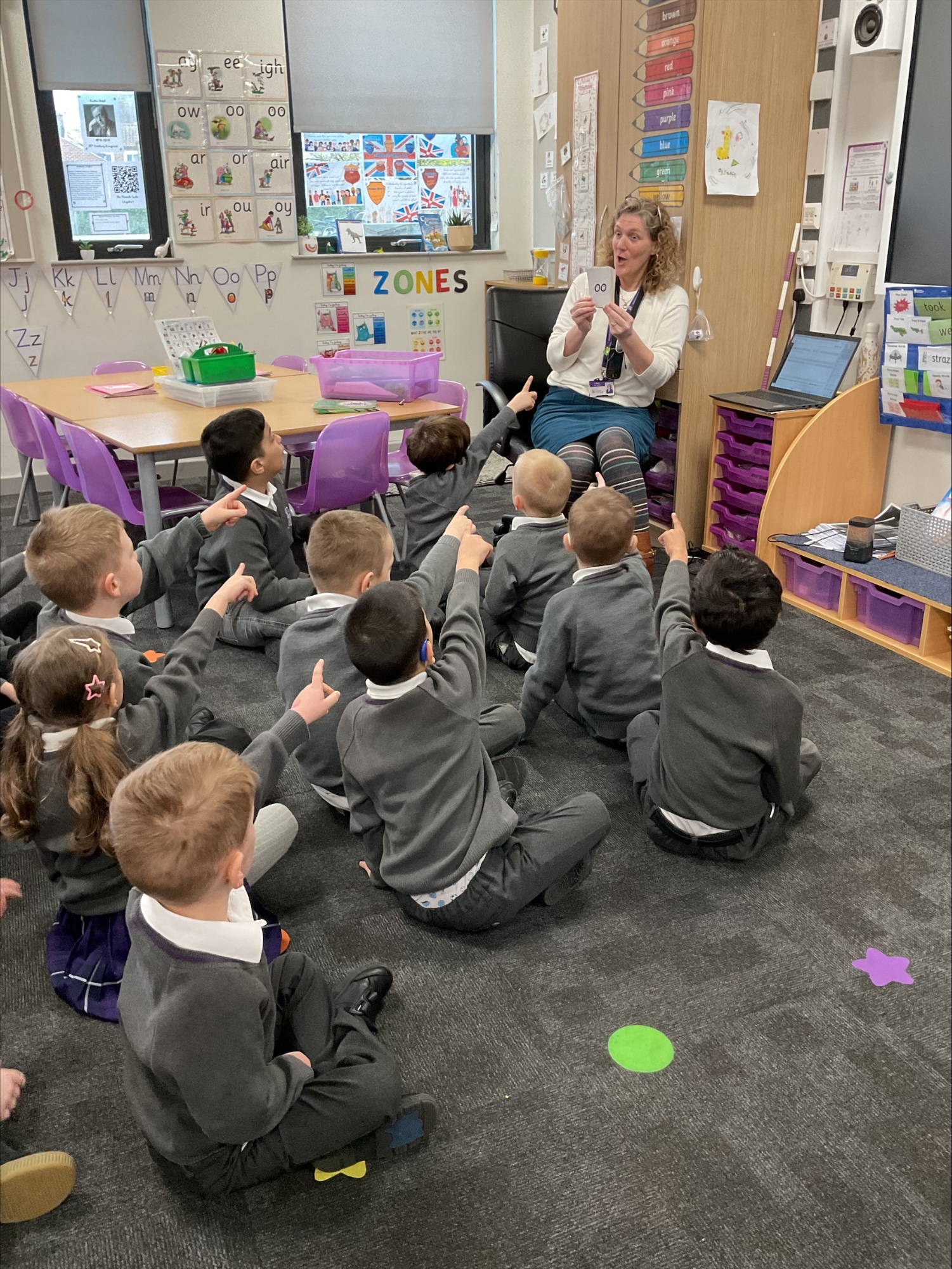
We teach phonics every day using the Read Write Inc. programme. Lessons are fun, fast paced and consistent, so children quickly get used to the routine and feel confident. They learn sounds in small steps and practise blending and reading words right from the start.
Children read books that are matched exactly to the sounds they have learned, so they experience lots of success and build confidence. They read each book several times over a few days, focusing first on reading the words accurately, then reading more fluently, and finally reading with expression.
To make sure every child is learning at the right level, we assess their progress regularly and place them in small groups with others who are at the same reading stage. These groups change often because children make progress at different speeds. If a child needs a little extra help, we give them short, focused support sessions so they can keep up with their peers.
We also encourage children to practise at home. They bring home a book matched to their phonics level, along with a separate ‘reading for pleasure’ book to enjoy with an adult.
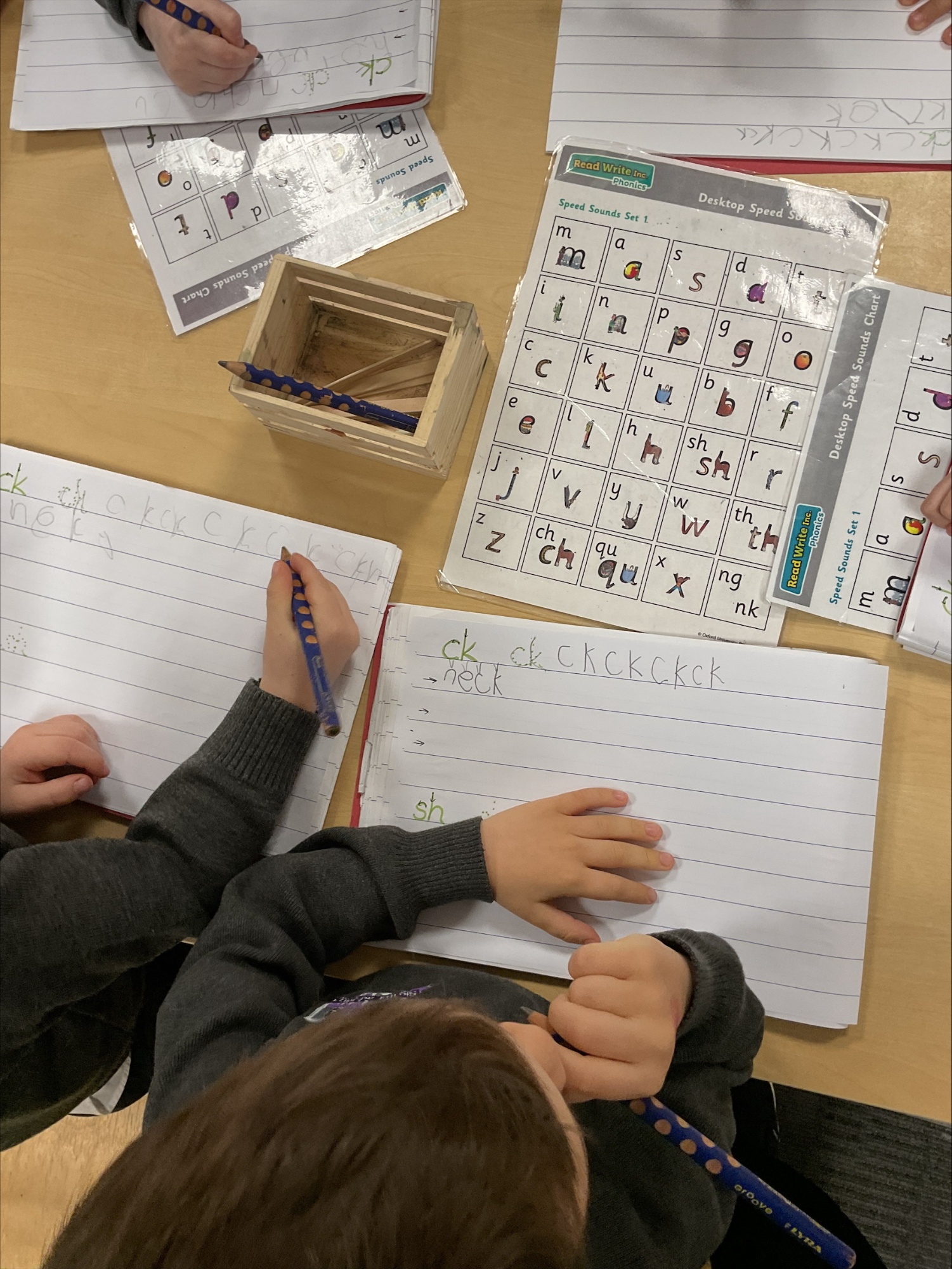
What we want children to have learnt by the end of EYFS, Year 1 and Year 2
By the end of EYFS (Reception), children will:
-
Know all Set 1 sounds and many Set 2 sounds
-
Be able to blend sounds to read simple words (e.g. cat, shop, ring)
-
Read short stories with growing accuracy
-
Begin to read with some fluency and understanding
-
Recognise and read a growing number of red words
-
Enjoy stories, retell simple narratives and talk about books with adults
Our goal is for children to finish Reception as confident early readers.
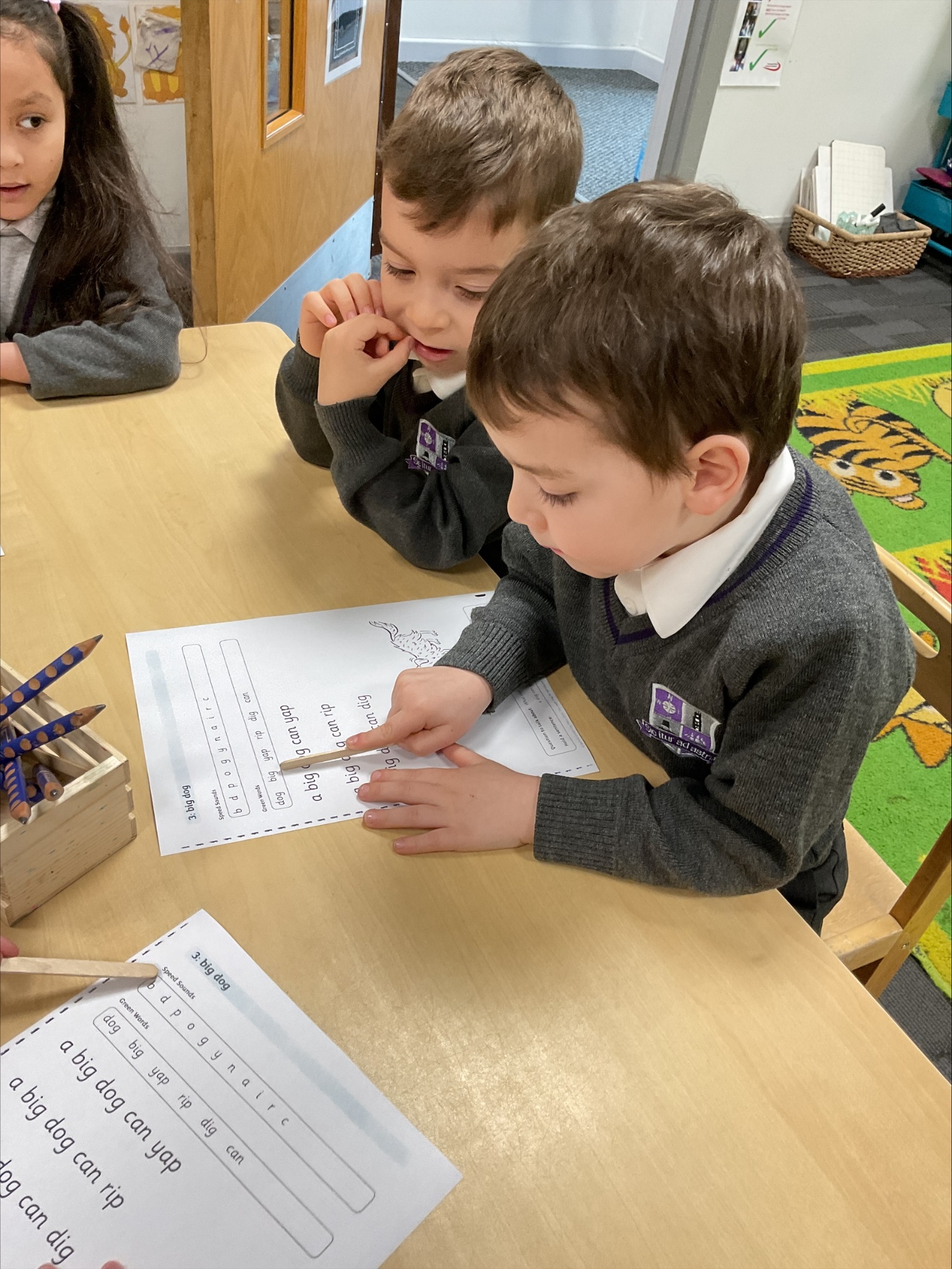
By the end of Year 1, children will:
-
Have learned all Set 1, Set 2 and most Set 3 sounds
-
Read a wide range of words containing these sounds
-
Blend and segment confidently for reading and spelling
-
Read RWI storybooks with increasing fluency and expression
-
Be able to discuss what they have read
-
Complete the Year 1 Phonics Screening Check
-
Begin to choose books more independently
Children at this stage should be fluent decoders who enjoy reading daily.
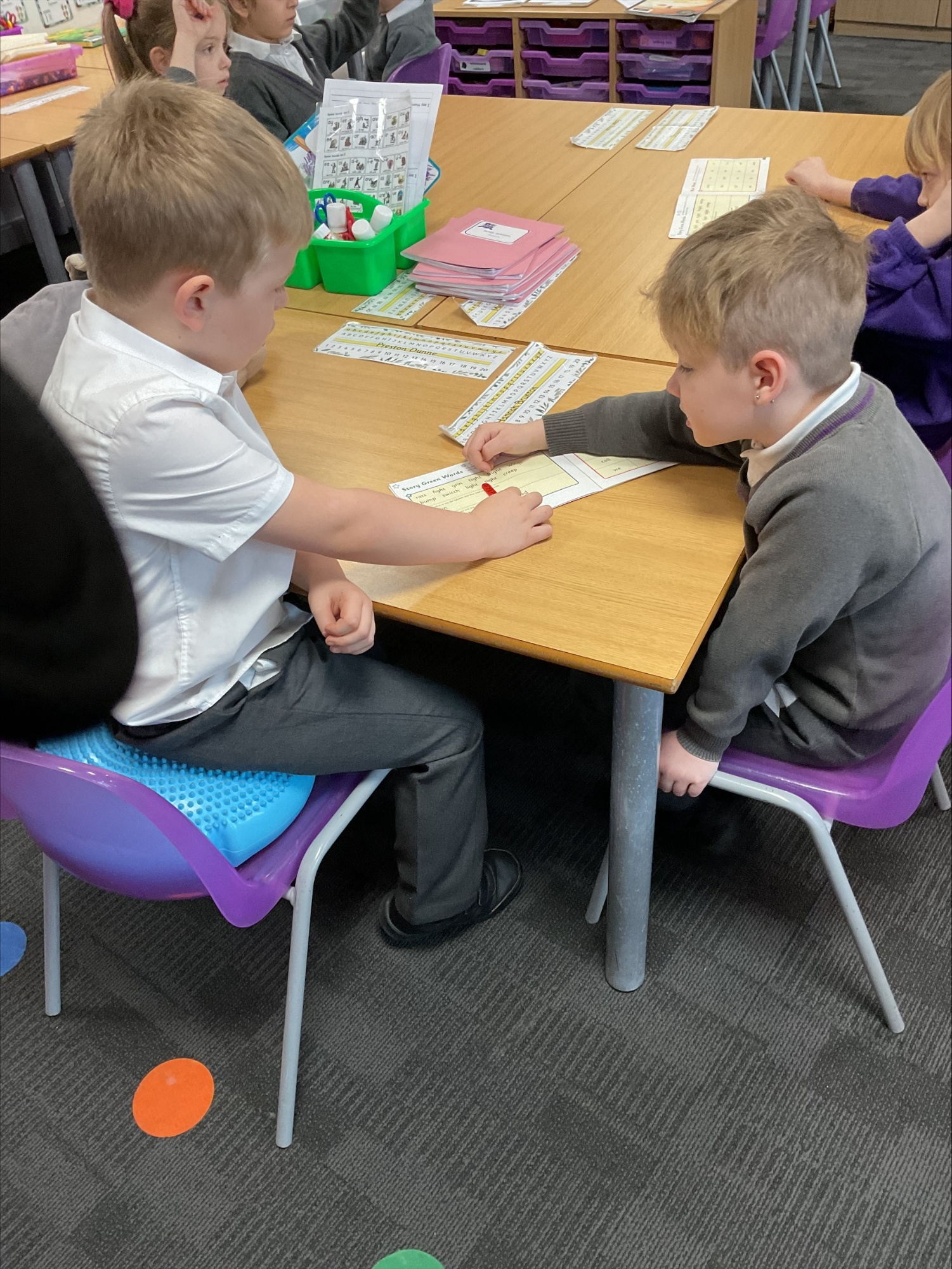
By the end of Year 2, children will:
-
Have completed the full Read Write Inc. programme
-
Read with growing fluency, expression, and good comprehension
-
Apply phonics knowledge confidently in spelling
-
Read a wider range of texts with more independence
-
Move onto our Star Reader programme and school library banded books
-
Show developing stamina and enjoyment when reading longer stories
By the end of Year 2, children should be confident, fluent readers ready for the challenges of Key Stage 2.
Press the link to learn how to say the sounds at home: Read Write Inc Phonics: How to say the Set 1, Set 2 and Set 3 sounds