Reading
Hello, I’m Miss Hayford. I have previous experience teaching in London, where I was the Phase Lead for Years 5 and 6. I am now the Assistant Headteacher and English Lead at Boston Pioneers. I am passionate about reading and writing and believe that developing strong literacy skills is key to children’s success across the curriculum. I am committed to inspiring a love of books and helping pupils become confident, skilled writers who are well prepared for the next stage of their learning.
Reading
What we are teaching in reading and why it is important.
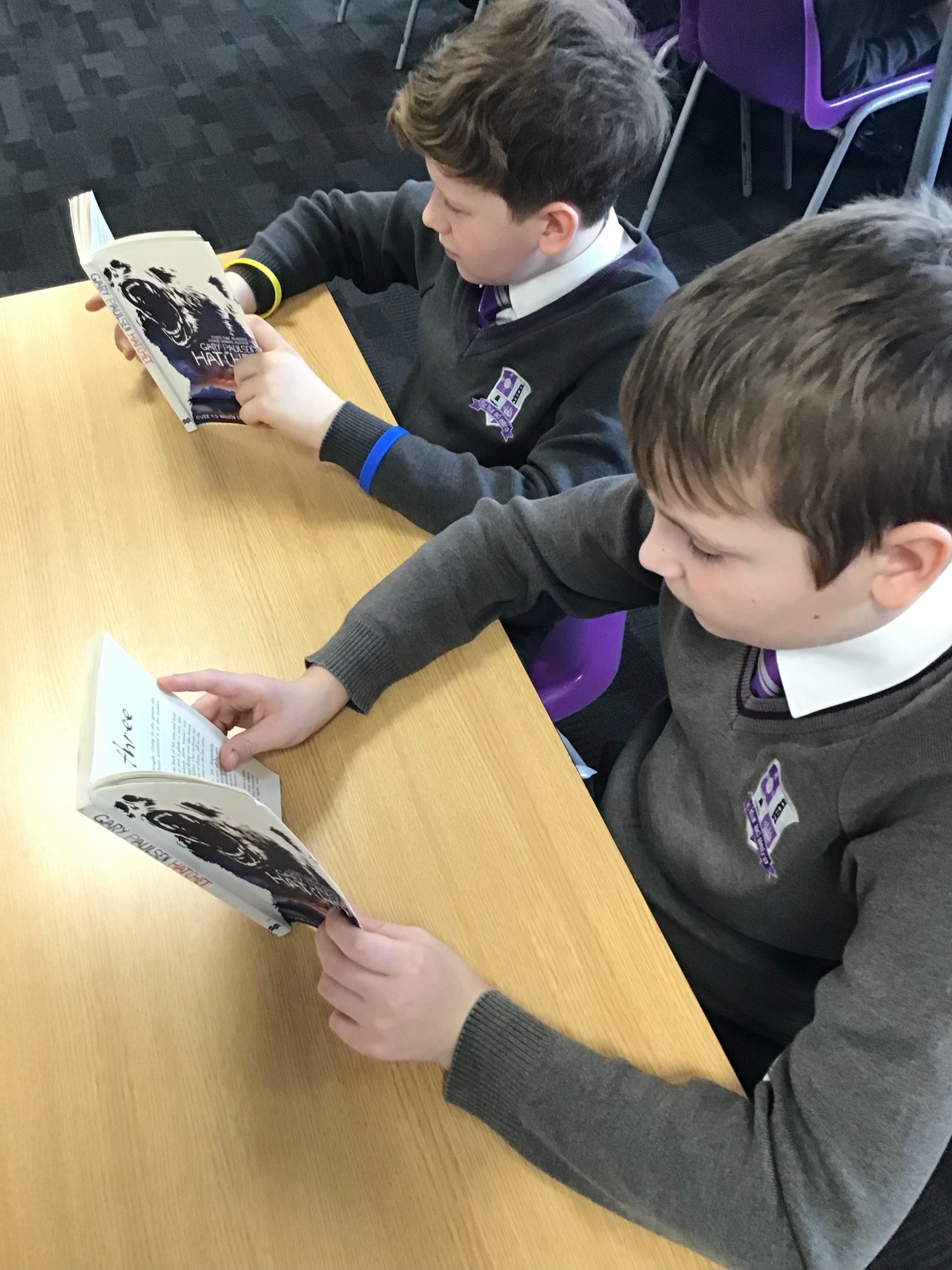
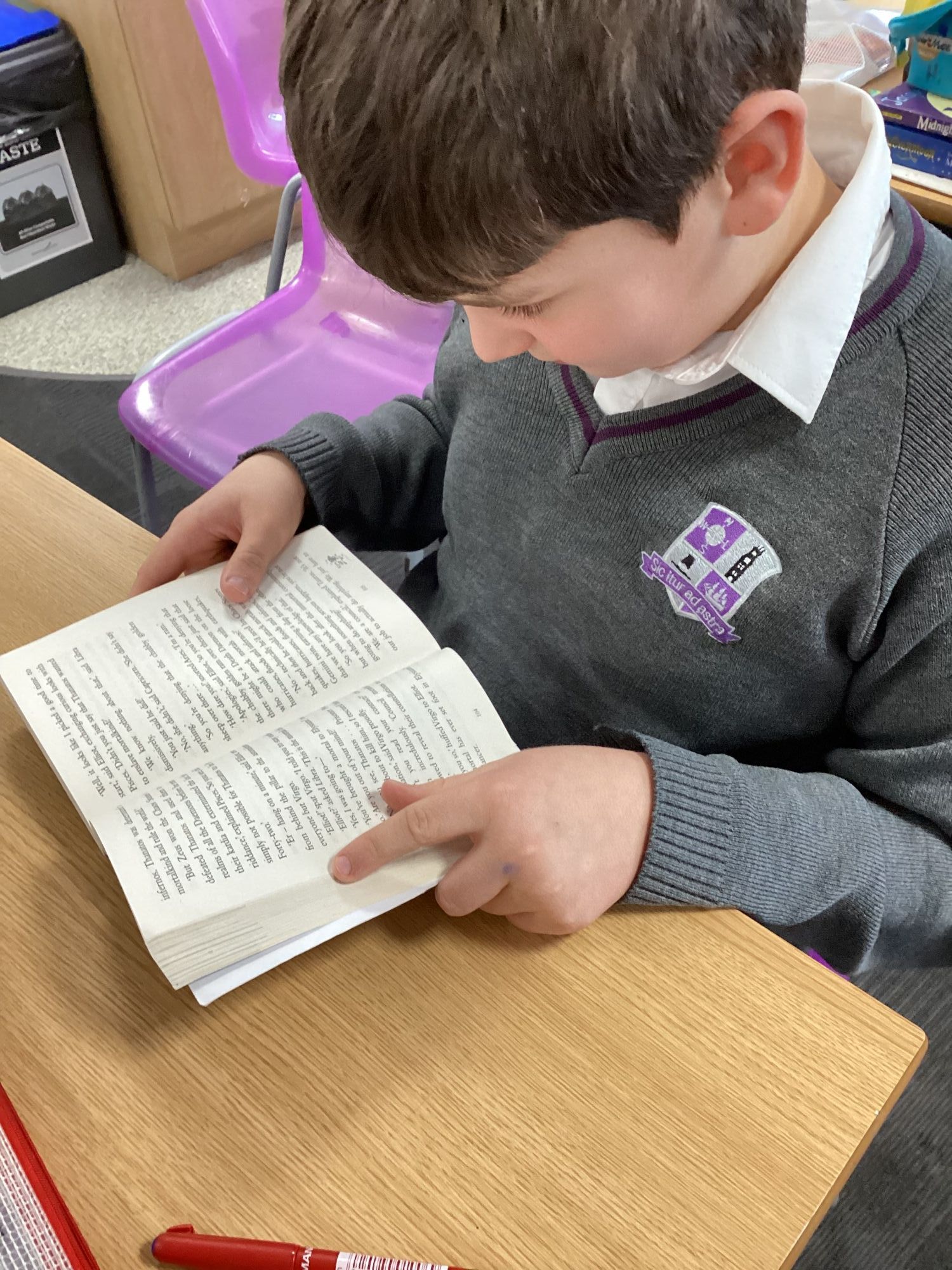
At Boston Pioneers Academy, reading is at the heart of our curriculum. We help learners become fluent, independent readers who enjoy books. Reading helps learners develop across all subjects and gives them confidence. Learners read high-quality texts to build vocabulary and knowledge. They learn to understand what they read, think about ideas, and explain their thoughts. Reading also helps learners understand other people and the world. These skills are useful now and for life beyond school. With our aim to ensure every learner becomes a confident, fluent reader who enjoys reading.
How we teach reading.
Reading is taught through a carefully sequenced, knowledge-rich curriculum.
In Reception, children take part in daily Read Write Inc phonics sessions, story time, and language-rich activities, including Helicopter Stories. These experiences develop early decoding skills, vocabulary, and a love of storytelling.
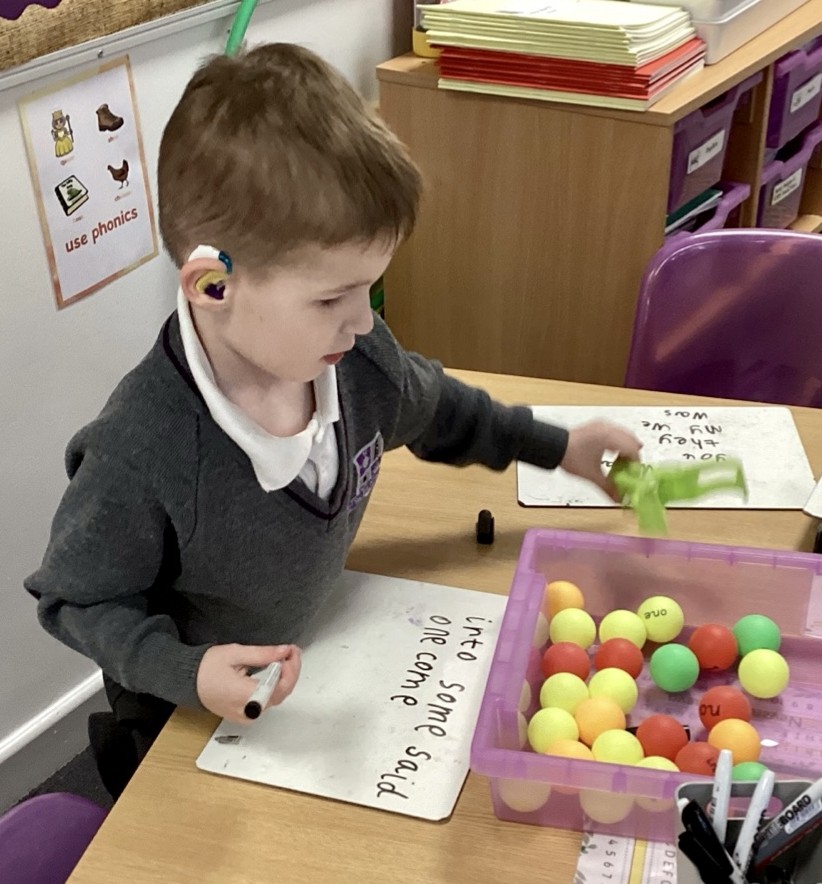
Phonics teaching using Read Write Inc. continues throughout Year 1, enabling learners to secure their blending and segmenting skills. For some learners who require additional support, Read Write Inc phonics continues into Year 2, ensuring they develop confident, fluent decoding at their own pace. (For more information, please see out Phonic and Early Reading section.)
From Years 1 to 6, learners also have daily guided reading lessons focused on developing key comprehension skills. Teachers explicitly introduce new vocabulary, explore ideas within the text, and support pupils in understanding and discussing increasingly complex reading material.
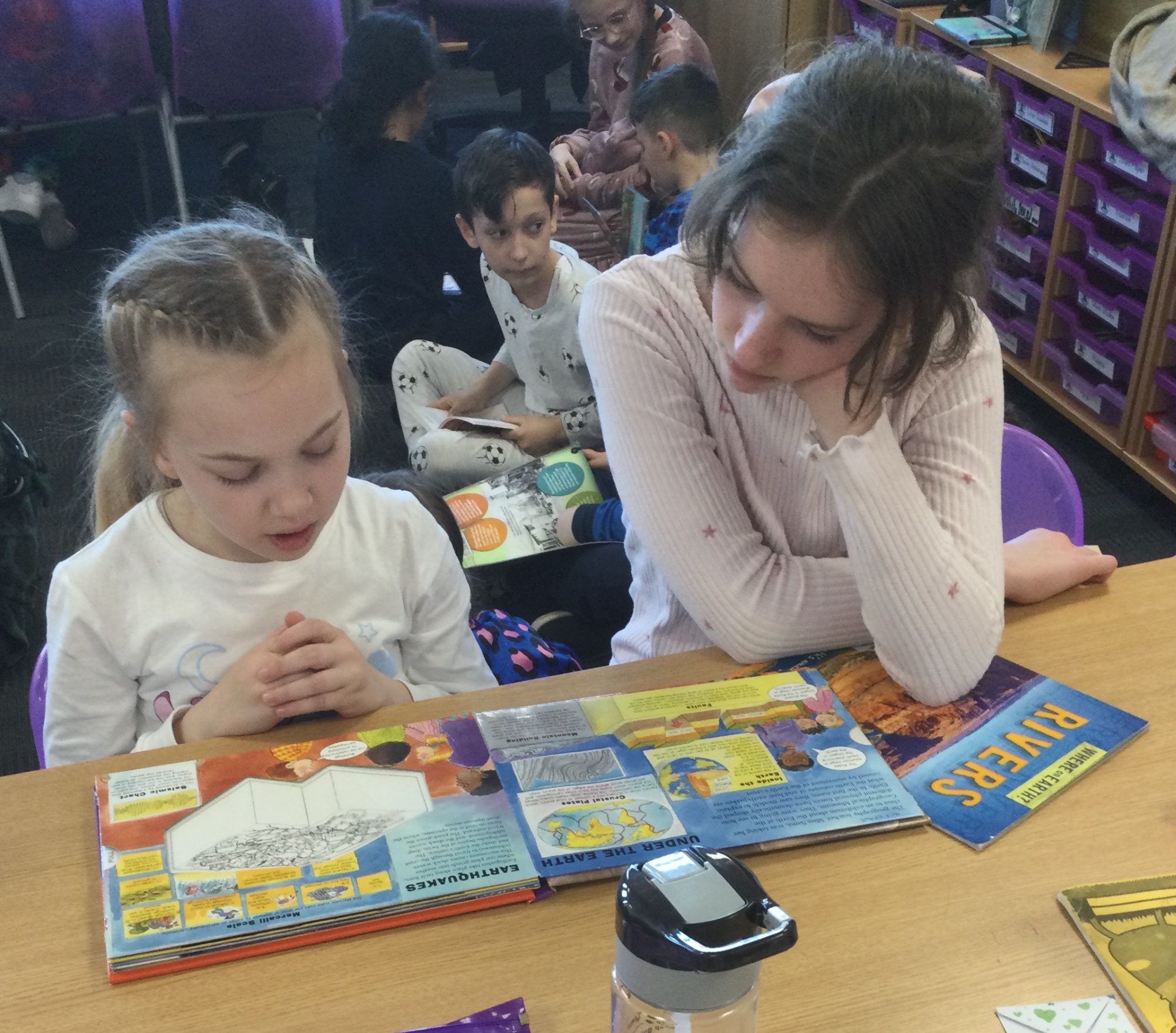
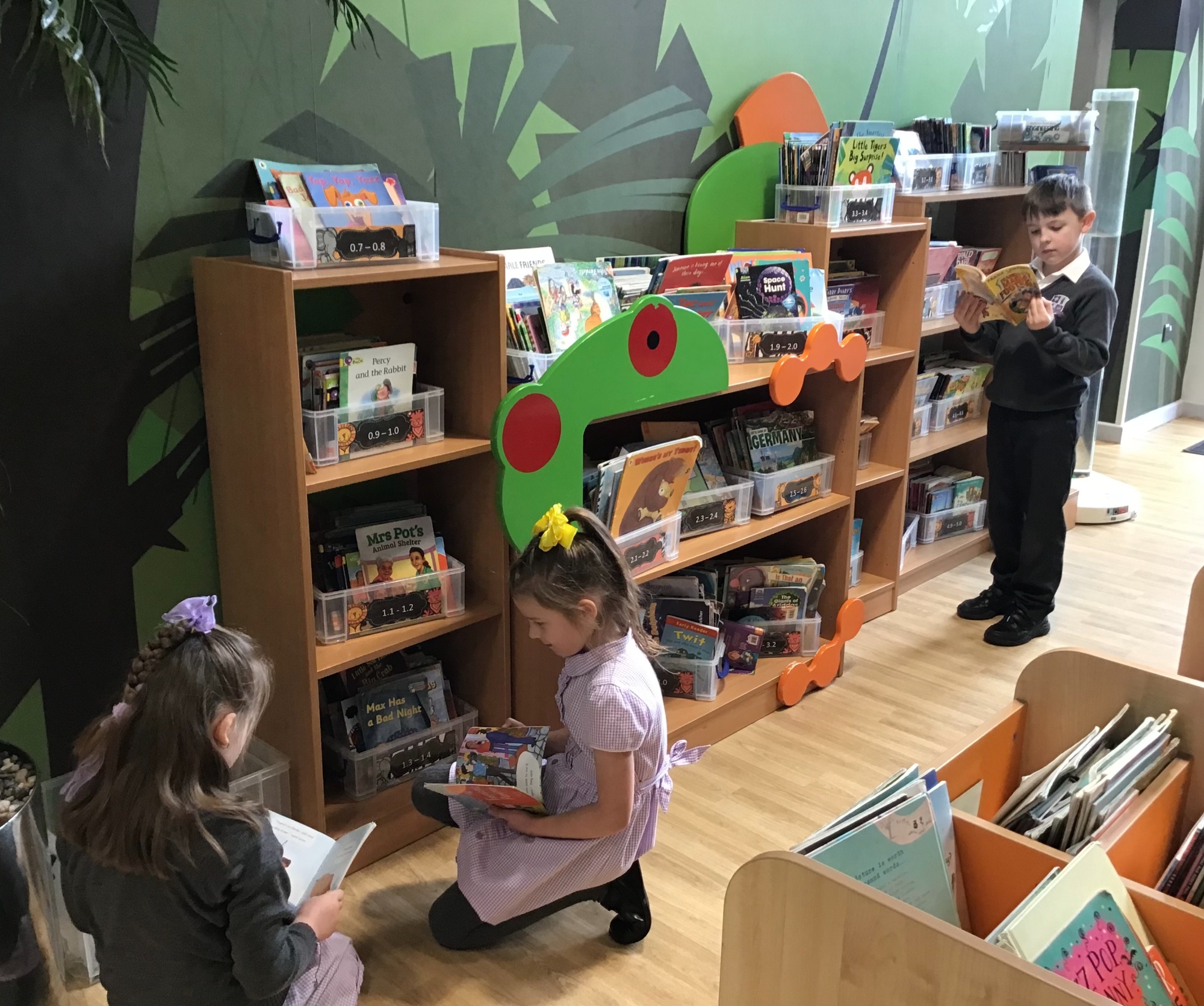
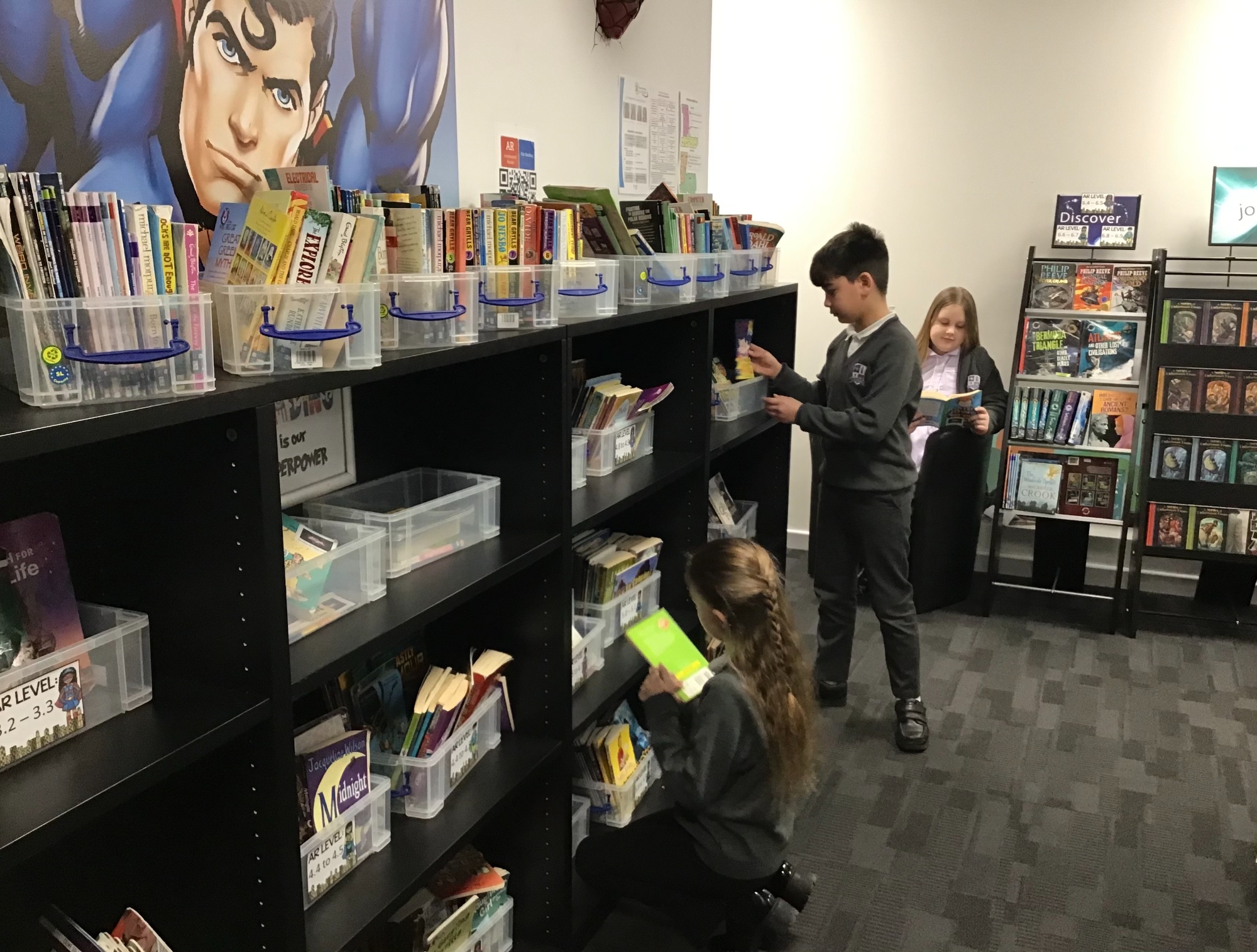
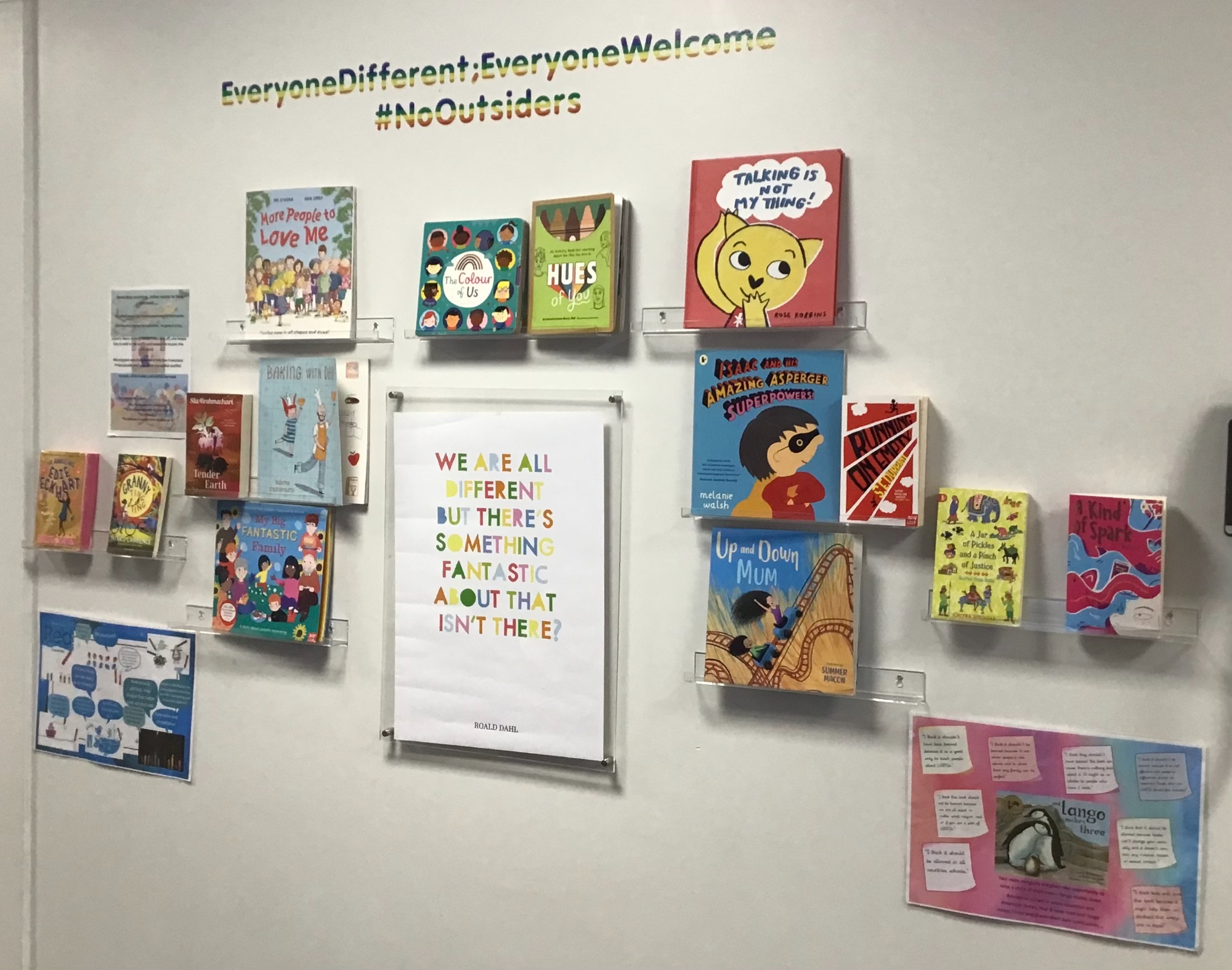
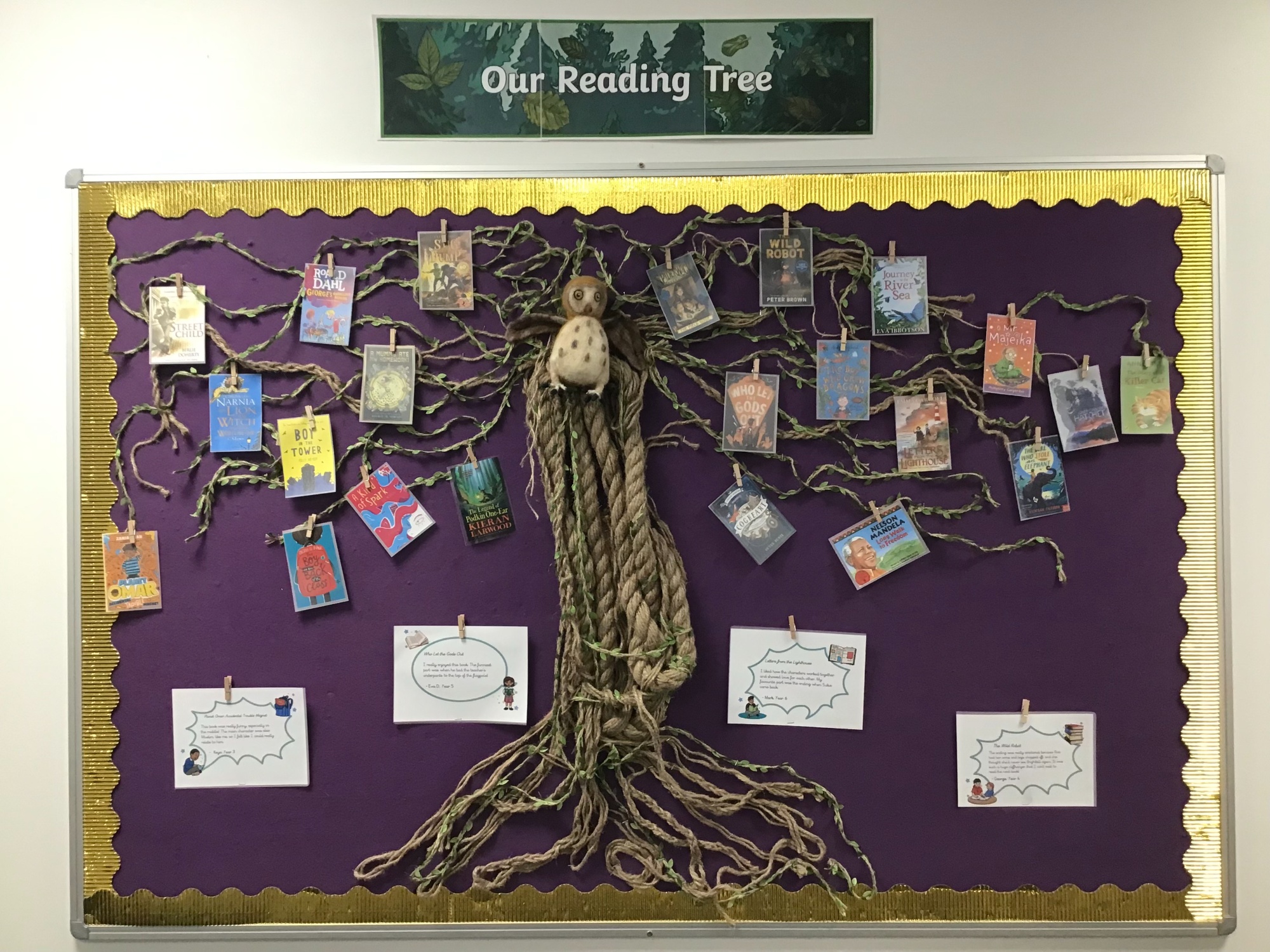
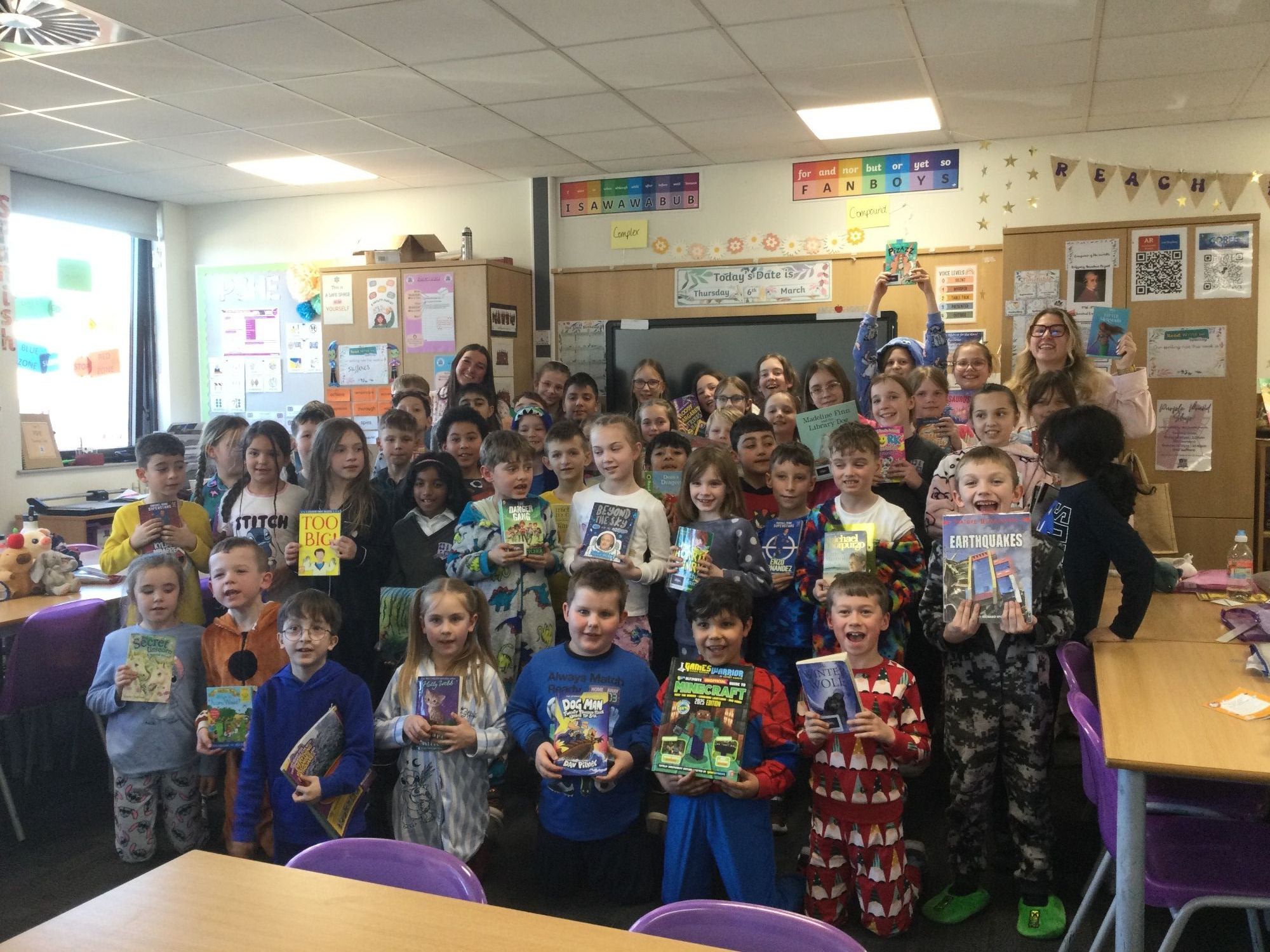
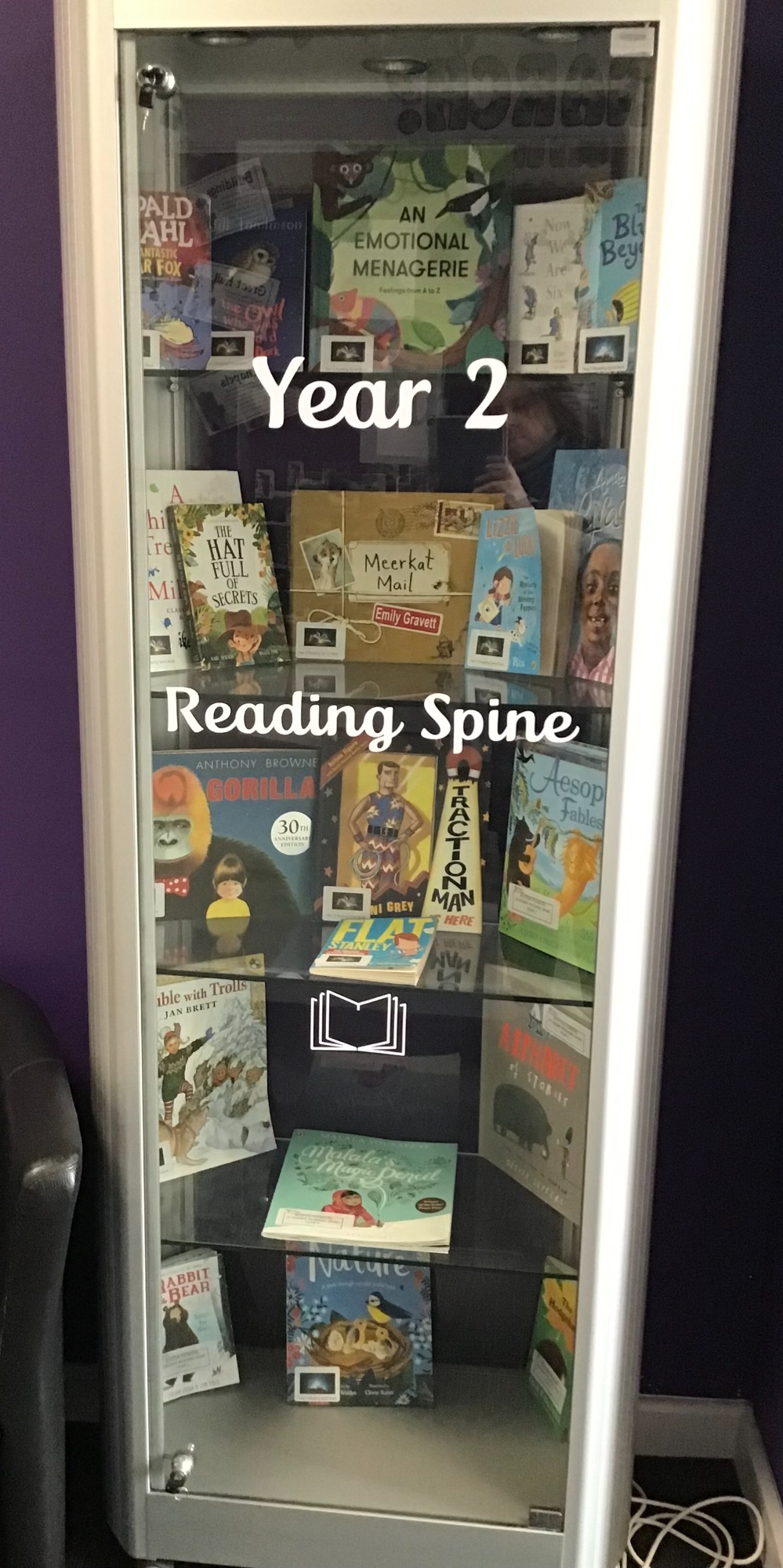
We promote reading for pleasure through a wide range of high‑quality books, themed texts linked to the curriculum, regular story time, and special events such as World Book Day.
What we want children to have learnt in reading.
By the end of EYFS:
Learners can decode simple words using phonics and recognise high-frequency words. They can listen to stories and talk about characters, events, and ideas. Learners demonstrate understanding by answering simple questions, retelling stories, and expressing opinions. They begin to enjoy reading and exploring books independently.
By the end of Key Stage 1:
Learners can read accurately and fluently, including unfamiliar words. They can answer questions about texts, make predictions, infer meaning from clues, and start to explain their ideas. Learners understand basic text structures and can discuss stories, poems, and non-fiction with increasing confidence. They read for enjoyment and begin to explore different genres.
By the end of Key Stage 2:
Learners can read fluently and confidently across a wide range of texts, including fiction, poetry, and non-fiction. They can explain, summarise, and analyse ideas, structure, and language. Learners justify opinions using evidence, make inferences, and evaluate a range of text types critically. They develop a rich vocabulary and knowledge of the world, leaving as curious, knowledgeable readers prepared for lifelong learning.