Writing
Hello, I’m Miss Hayford. I have previous experience teaching in London, where I was the Phase Lead for Years 5 and 6. I am now the Assistant Headteacher and English Lead at Boston Pioneers Academy. I am passionate about reading and writing and believe that developing strong literacy skills is key to learner’s success across the curriculum. I am committed to inspiring a love of books and helping pupils become confident, skilled writers who are well prepared for the next stage of their learning.
What we are teaching in writing and why it is important
At Boston Pioneers Academy, writing is taught to help pupils become confident and clear communicators. Learners write for different purposes and audiences, learning that writing has real meaning in the world. We teach punctuation and grammar carefully to build strong foundations. Speaking and listening are part of every lesson so learners can explain ideas clearly, share opinions, and communicate confidently. These skills help learners now and will be useful for life beyond school.
How we teach writing
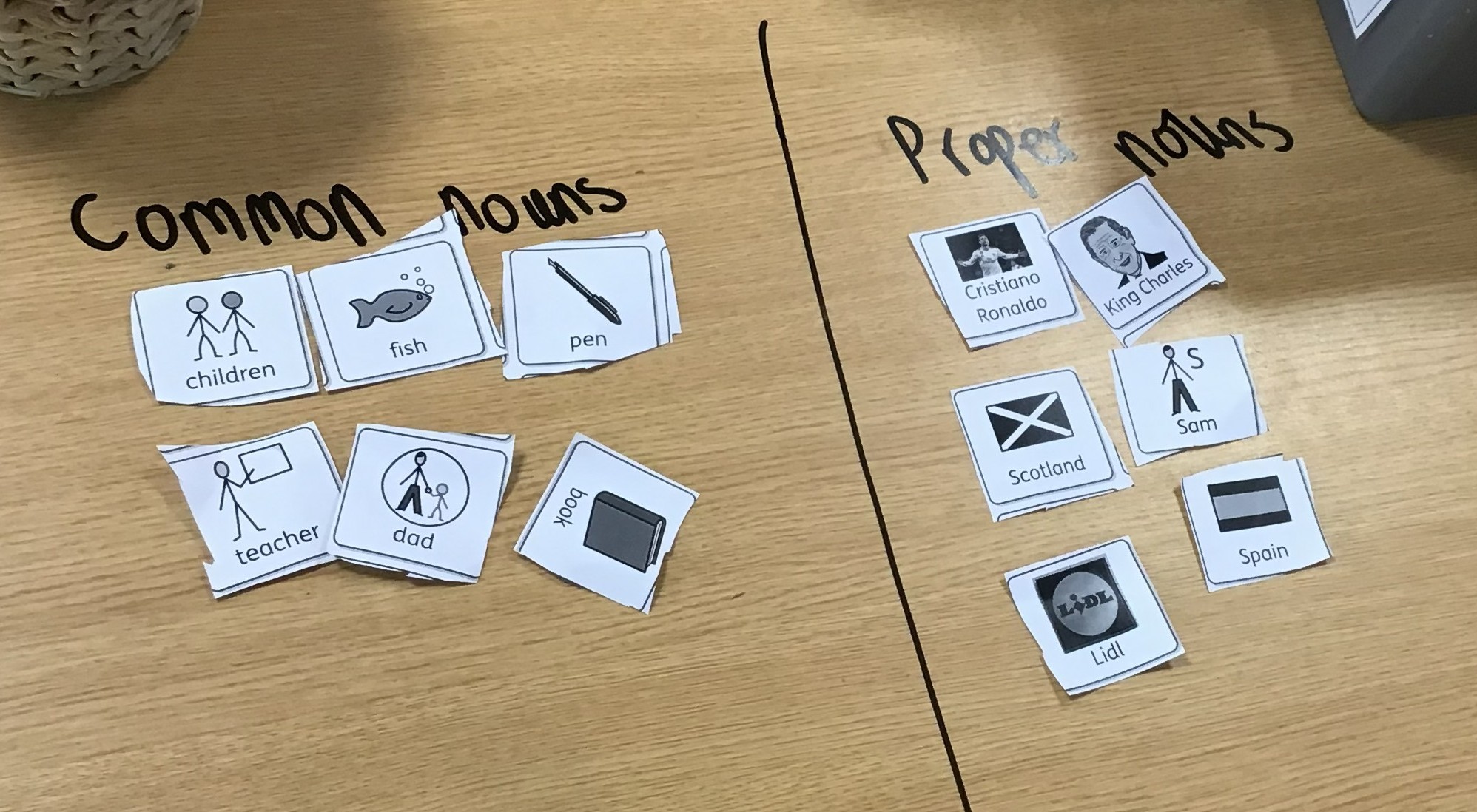
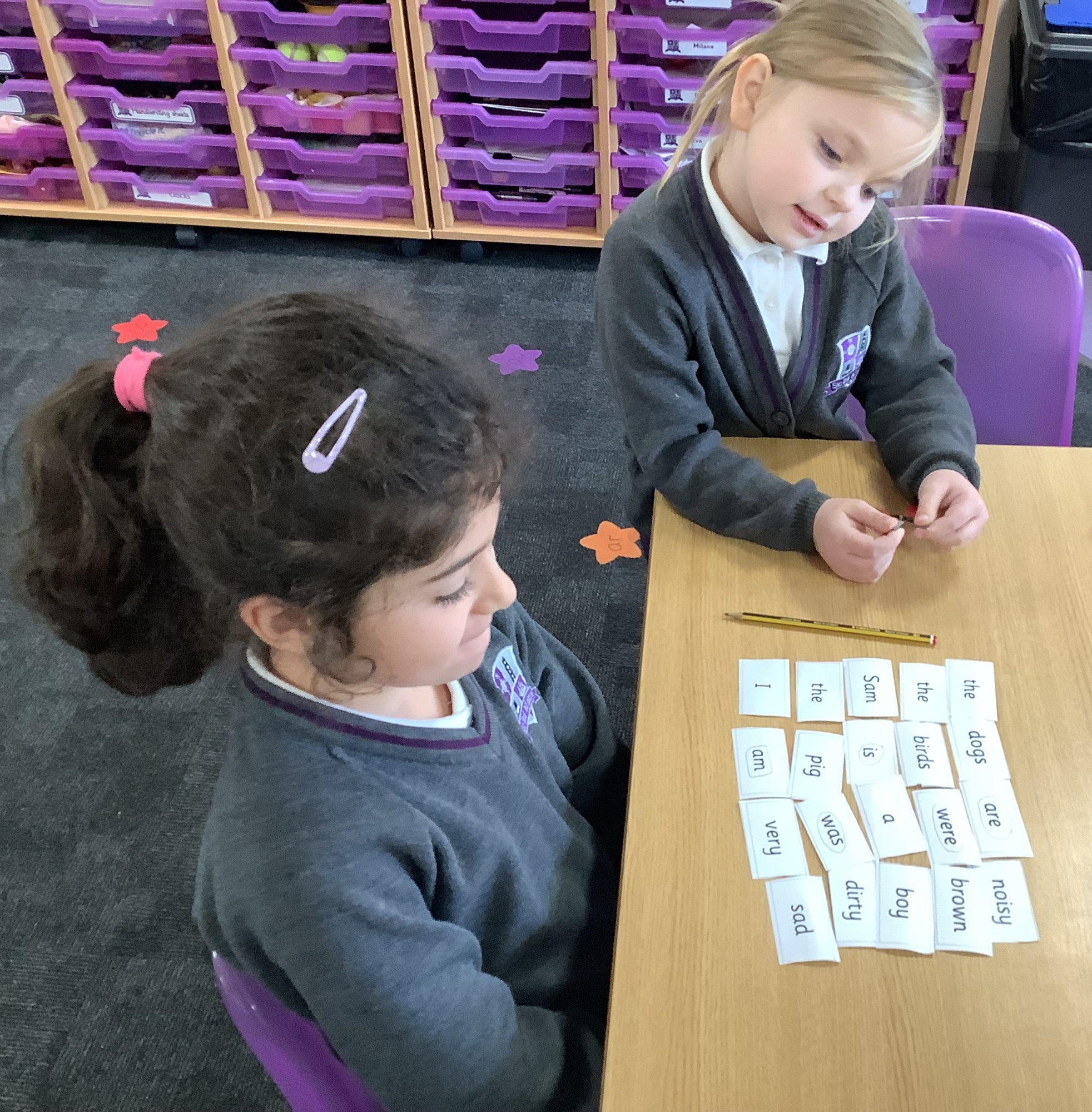
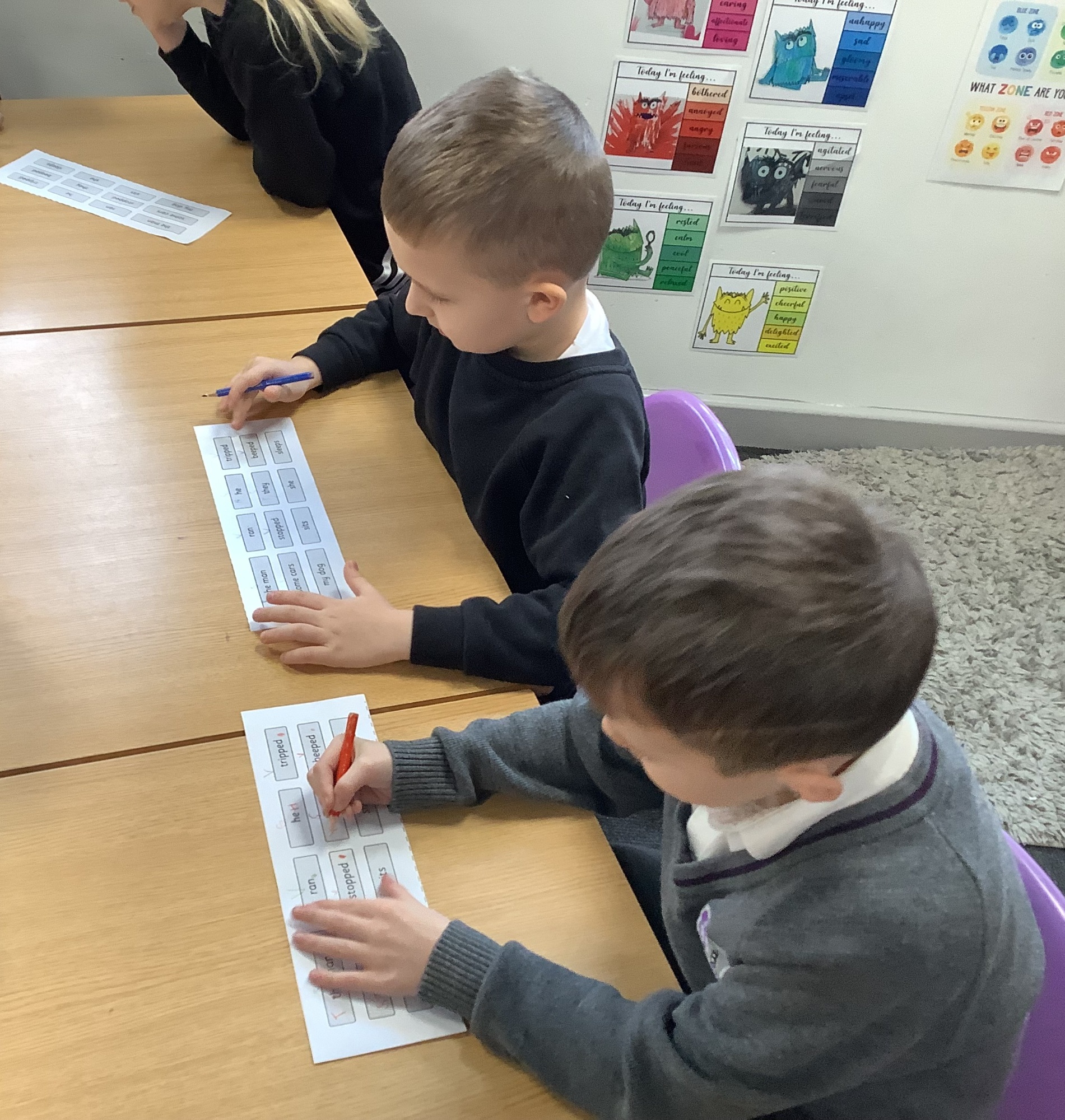
Writing is taught step by step to build skills and confidence. In Reception, learners start with fine motor activities and handwriting, before moving on to joined writing in Key Stage 2. To address gaps in knowledge and establish high expectations from the outset, we explicitly teach Grammarsaurus' The Place Value of Punctuation and Grammar during the Autumn term. PVPG breaks down the fundamental components of sentences, helping children understand the "building blocks" of writing. This method addresses gaps in knowledge by explicitly teaching essential grammar and punctuation skills, ensuring learners develop a strong foundation for cohesive and confident writing.
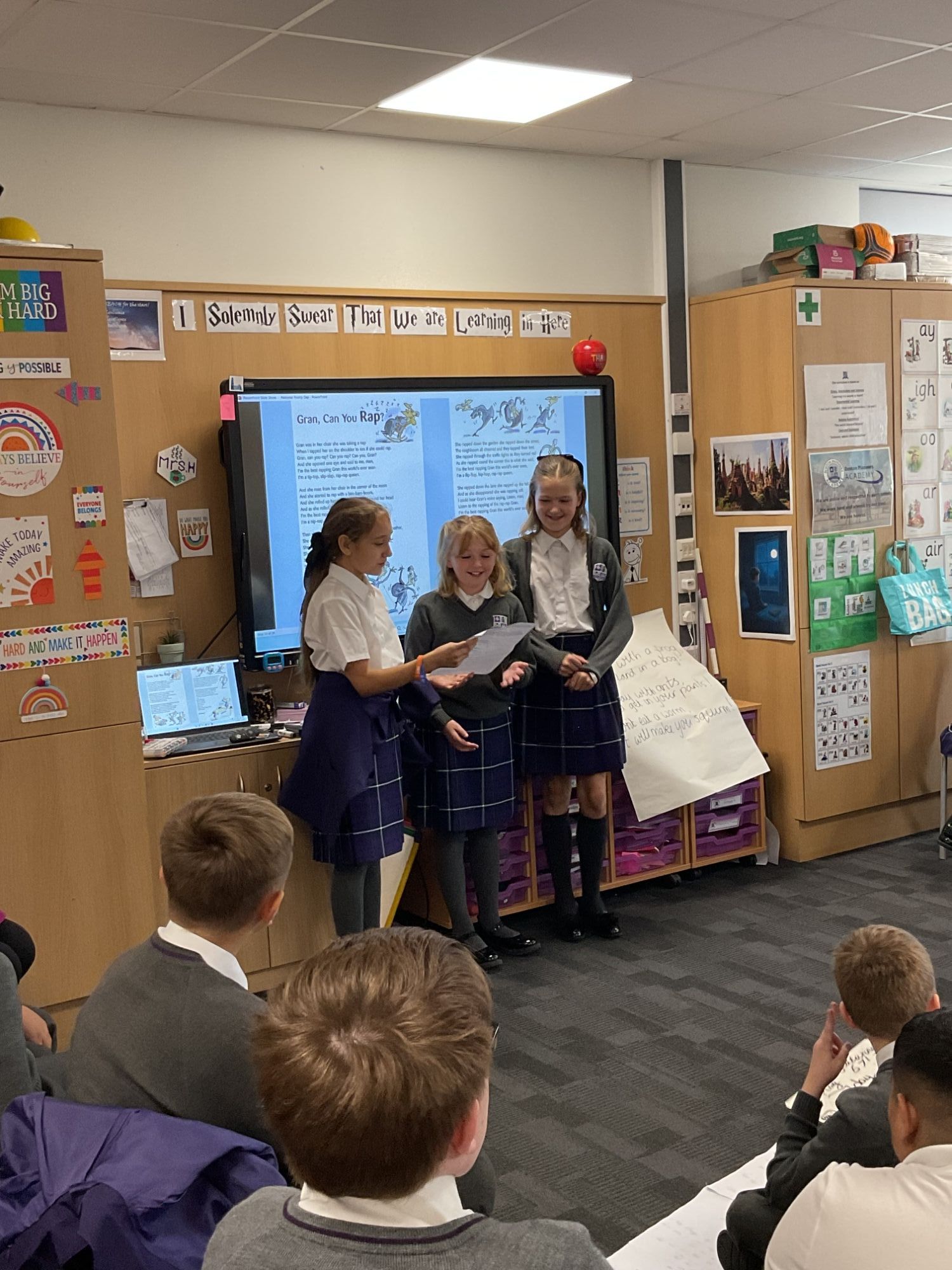
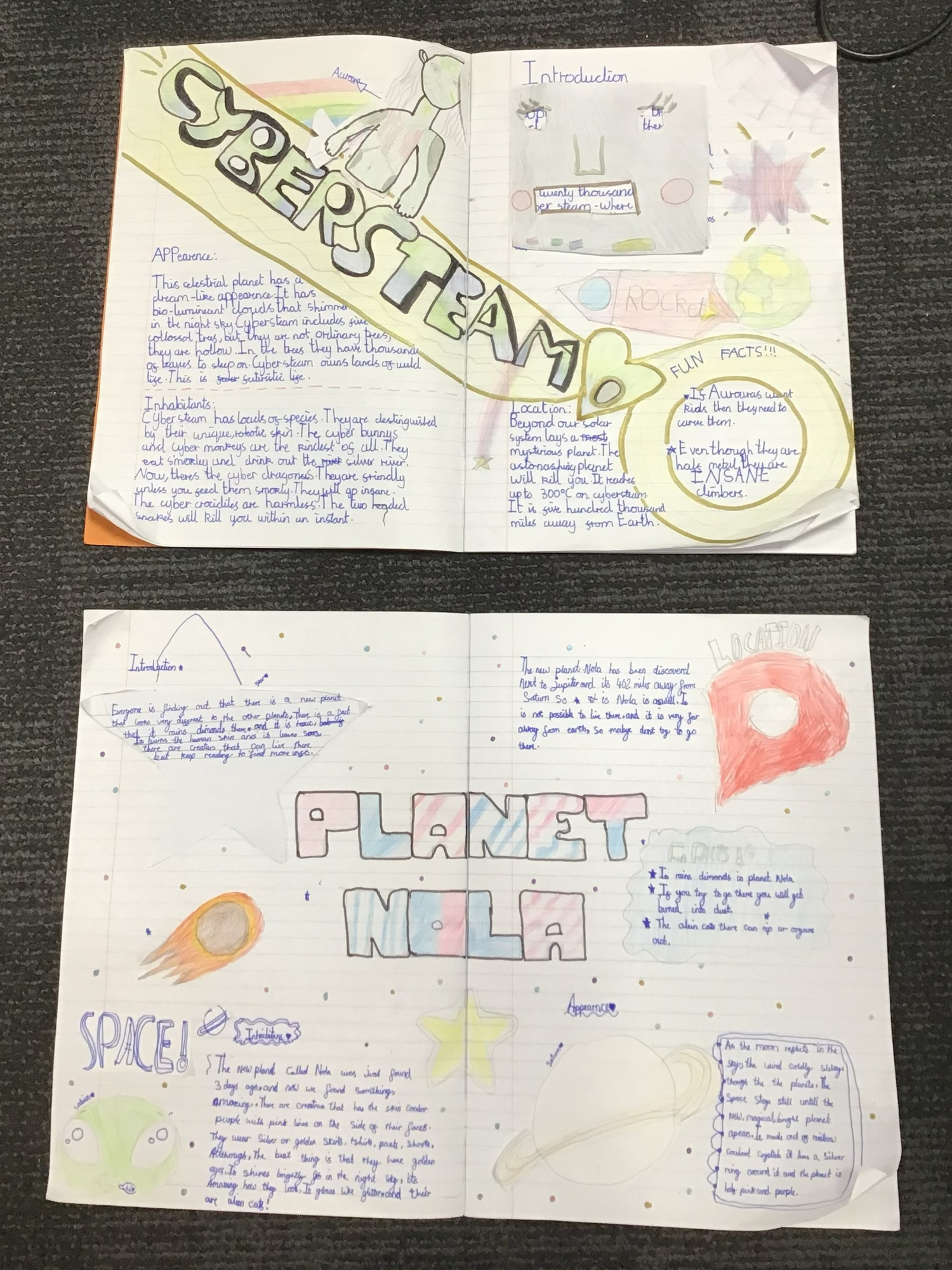
Our lessons are interactive and begin with a ‘hook’ activity to spark interest. Learners develop by watching teachers model writing, working together, and gradually writing independently. They plan, draft, check, edit and publish a range of different genres including recounts, narratives, chronological reports, explanations and poetry. We also recognise the vital role of oracy therefore vocabulary and talking about ideas are a big part of every lesson so learners become clear and confident communicators.
What we want children to have learnt in writing
By the end of EYFS
Learners can write simple sentences using phonics to spell words. They form letters correctly and begin to use capital letters and full stops. They can share their ideas through drawings and mark-making and tell their stories aloud. They understand that writing can communicate meaning and enjoy writing for fun.
Key Stage 1:
Learners can write clearly for different purposes, using basic punctuation, capital letters, and conjunctions. They can organise sentences into short paragraphs, spell common words correctly, and begin to edit their own writing to improve meaning. Learners start to adapt their writing for different audiences and show creativity in their ideas.
By the end of Key Stage 2
Learners can write confidently across a range of genres, choosing the correct tone, style, and form. They use grammar and punctuation accurately, including more complex structures, and edit and revise their work independently. Learners can plan, draft, and publish writing with clarity and creativity, showing awareness of audience and purpose. They leave as confident, inspired writers ready for secondary school.